From:$6,839$5,839per person
Upstream, Egypt is a river country of temples and desert. On the Mediterranean coast, it becomes something else entirely: a port city where Greek, Roman and Egyptian ways of life didn't just coexist but blended into something new, right down to the gods people worshipped and the way the dead were painted for burial. AmaWaterways' 3-night land package now puts this seaside city within reach of the Secrets of Egypt & the Nile itinerary. Walk the streets Cleopatra VII once walked, with the Mediterranean at your side the entire time, and a different Egypt comes into view.
Where three civilizations met
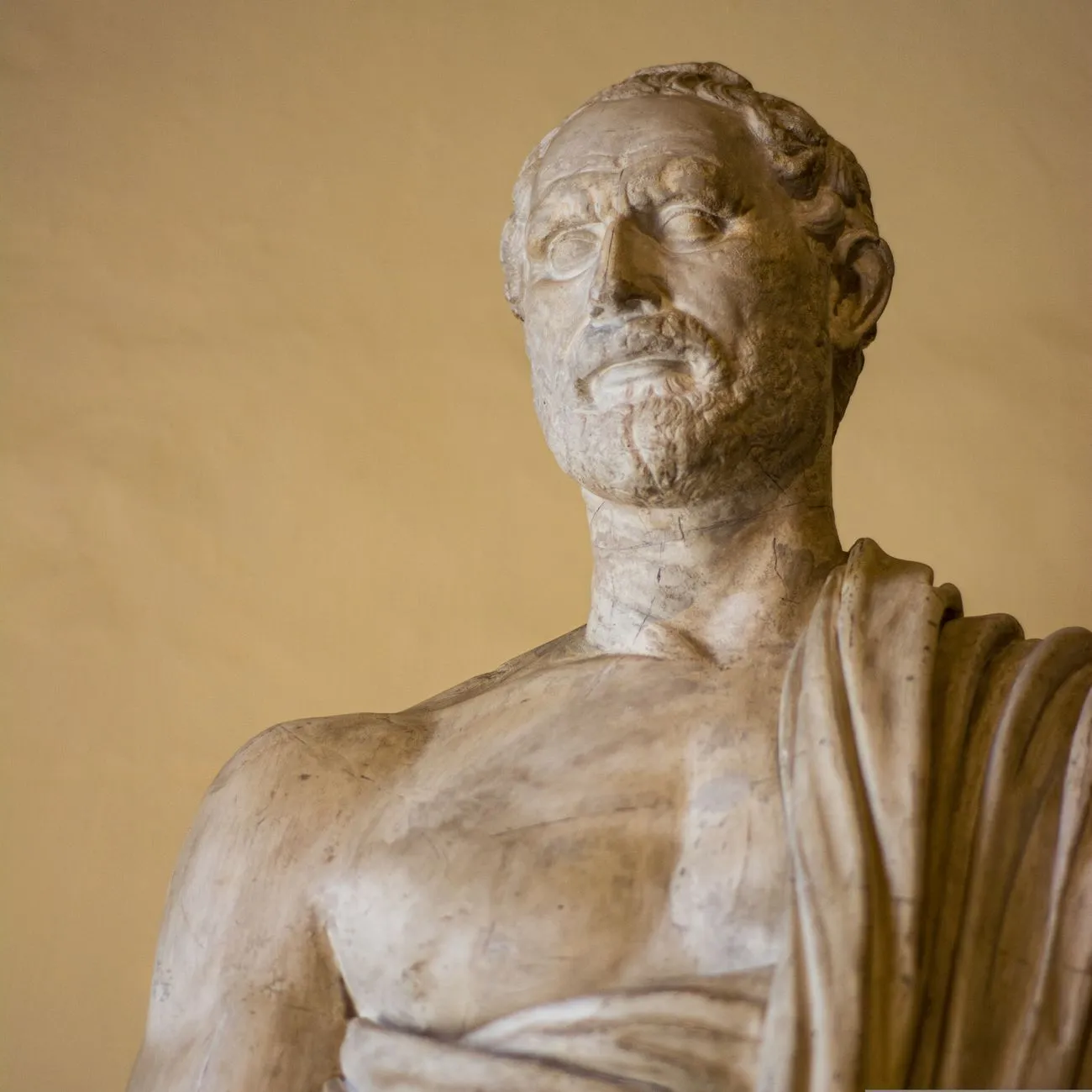
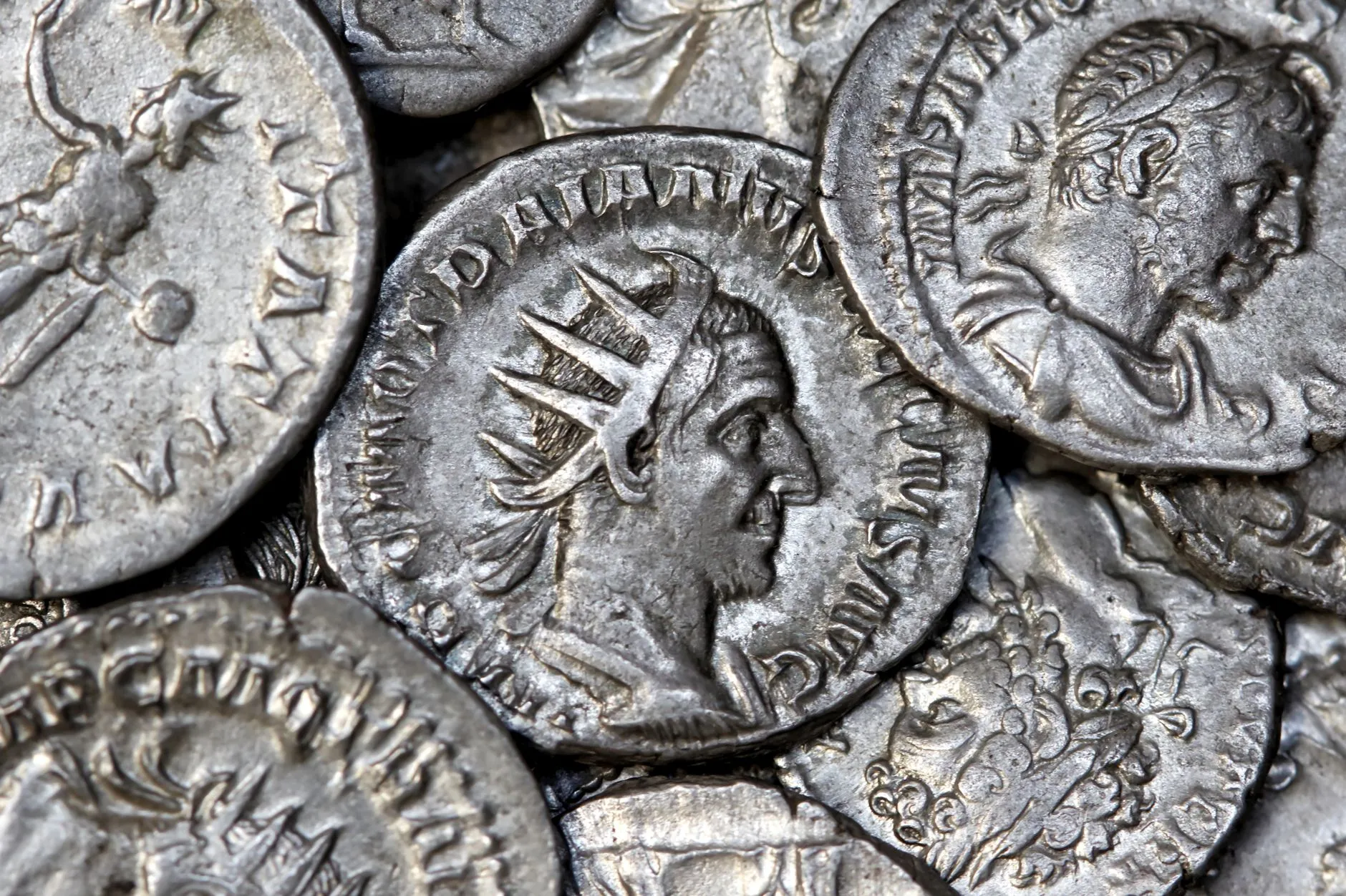
The Graeco-Roman Museum is the place to start, founded in 1892 to hold what the city's excavations kept turning up. Its Serapis coins trace back to a god the Ptolemies invented on purpose: part Osiris, part Zeus, engineered specifically to give Greek and Egyptian subjects one deity to share. Its Fayum mummy portraits go further still, lifelike Roman-style paintings, done in the naturalistic style you'd expect on a villa wall, attached directly to an Egyptian mummy for the afterlife. These aren't two cultures existing side by side. They're one culture's solution to living inside another's, worked out in paint and gold leaf, object by object.
The library, ancient and reborn
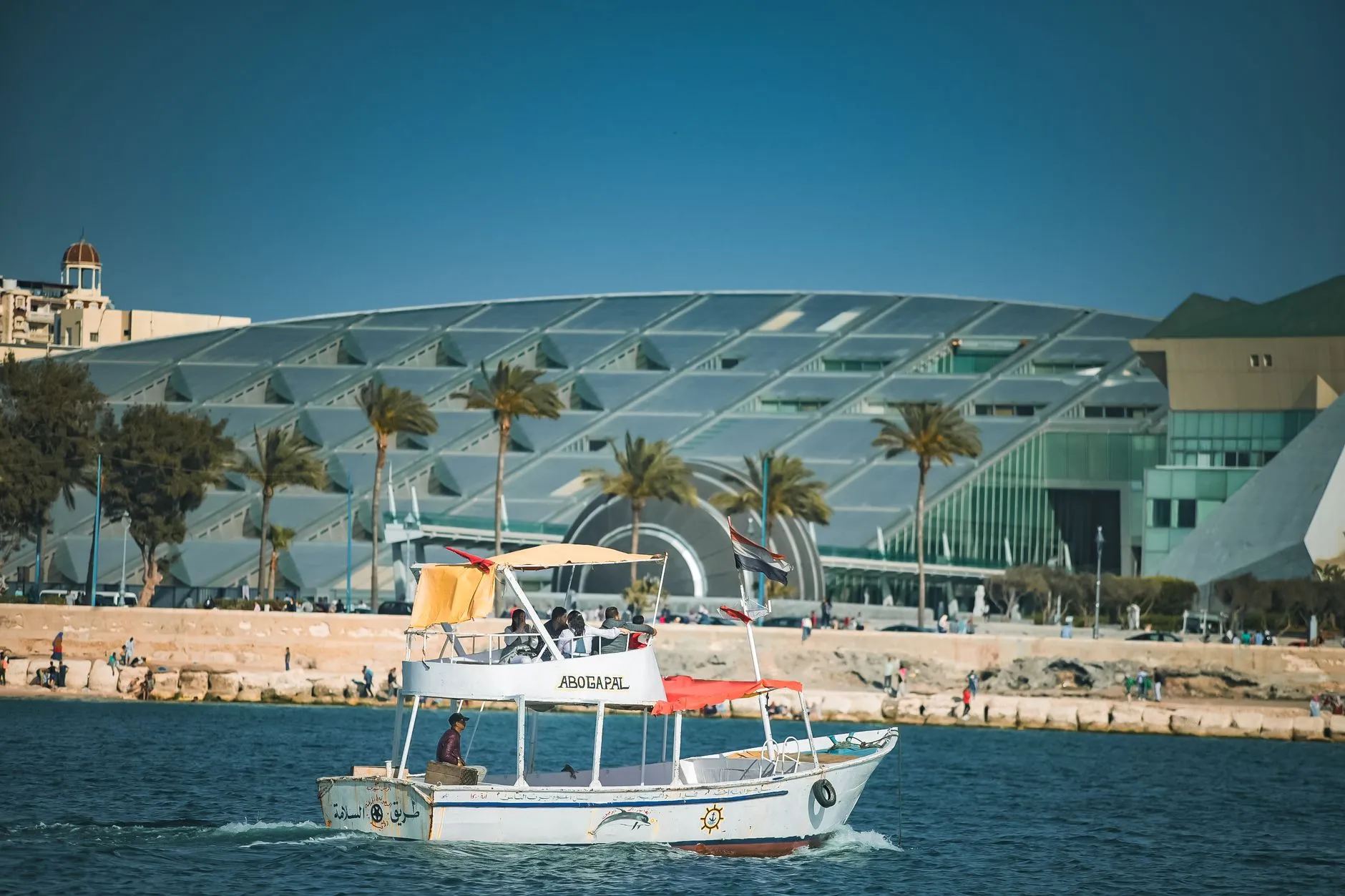
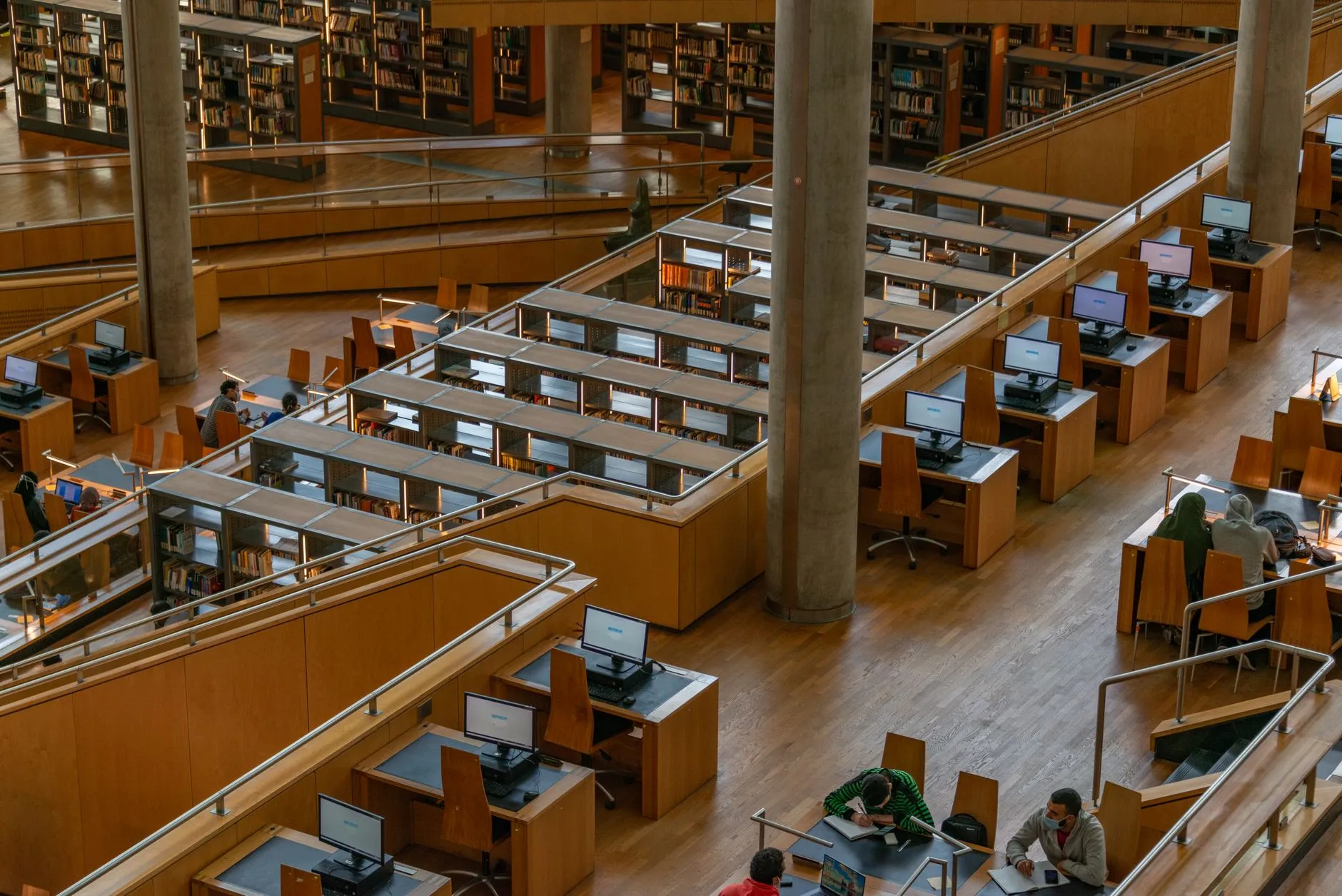
Nothing ties past to present here like the Bibliotheca Alexandrina, and no photograph quite prepares you for it. Picture a granite disc 160 meters across, tilted toward the sea at roughly the angle of a clock's hand at two o'clock, rising 32 meters into the sky while sinking another 12 meters into the ground. Its sloped roof, paneled in aluminum and glass, catches the sun in a pattern designers modeled on a microchip, meant to evoke a second sun rising out of the Mediterranean. Around its curved base runs a wall of Aswan granite, nearly 6,000 square meters of it, carved with some 4,000 characters pulled from 10,000 years of human writing, ancient cuneiform sits inches from Korean hangul on the same slab of stone. Inside, eleven cascading levels hold room for up to eight million books, plus museums, galleries, a planetarium and a manuscript restoration lab. The old library is gone. What stands in its place is trying, quite literally, to out-shine it.
The fort built from a wonder
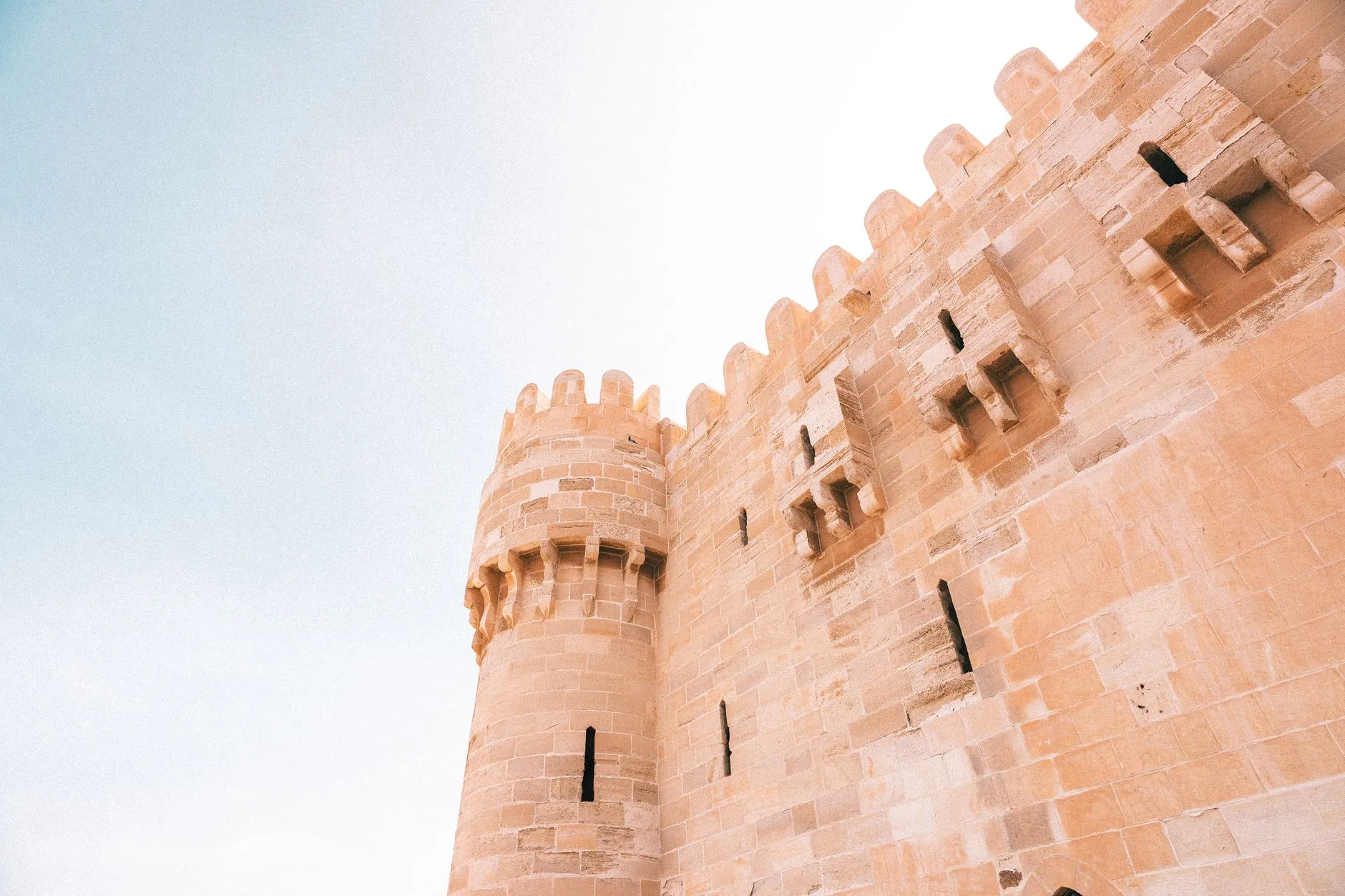
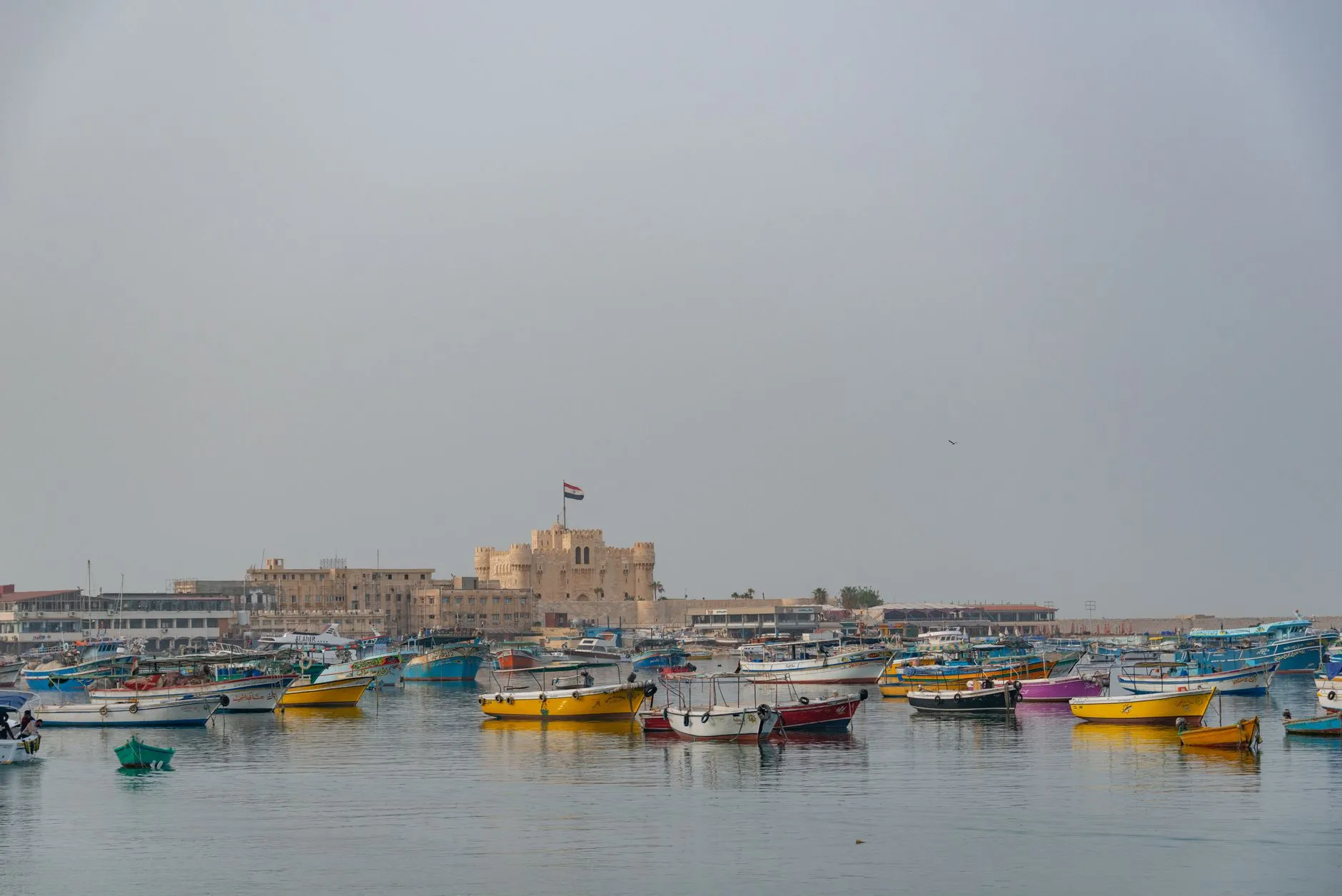
The Citadel of Qaitbay occupies ground that used to be an island. Ancient Pharos once sat just offshore, tied to the mainland by the Heptastadion, a causeway built by Ptolemaic engineers that slowly filled in with silt over the centuries until the island simply became the city, the peninsula the fort now stands on. Raised in 1477 by Sultan Al-Ashraf Qaitbay atop the ruins of the Lighthouse of Alexandria, the Pharos, one of the Seven Wonders of the ancient world, after earthquakes finally brought it down, the fort is surrounded by water on three sides, waves breaking against limestone walls the lighthouse's own stone helped build. The wonder didn't vanish. It changed jobs, and it's been staring down the same stretch of Mediterranean ever since.
Into the desert of the monks
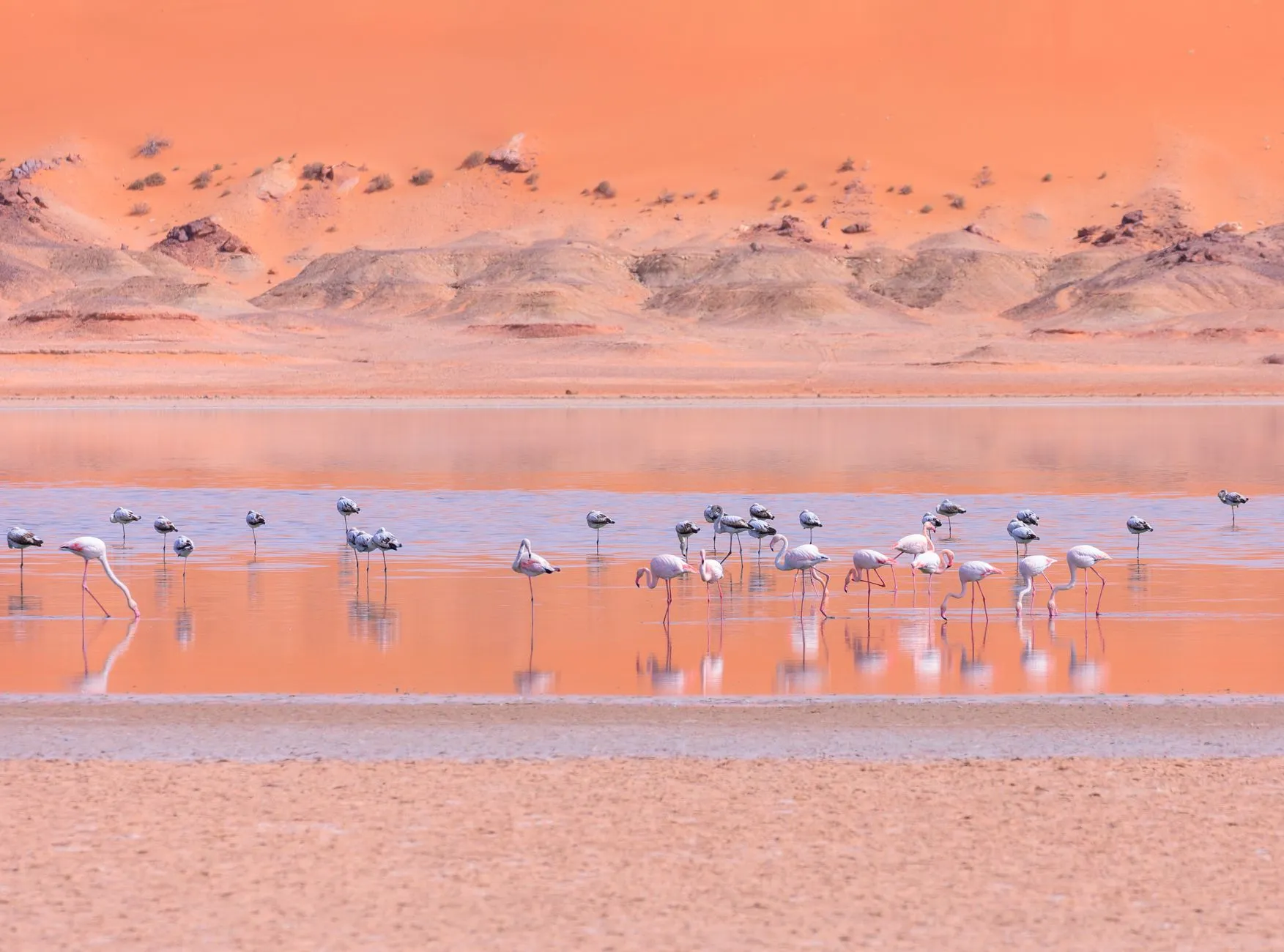
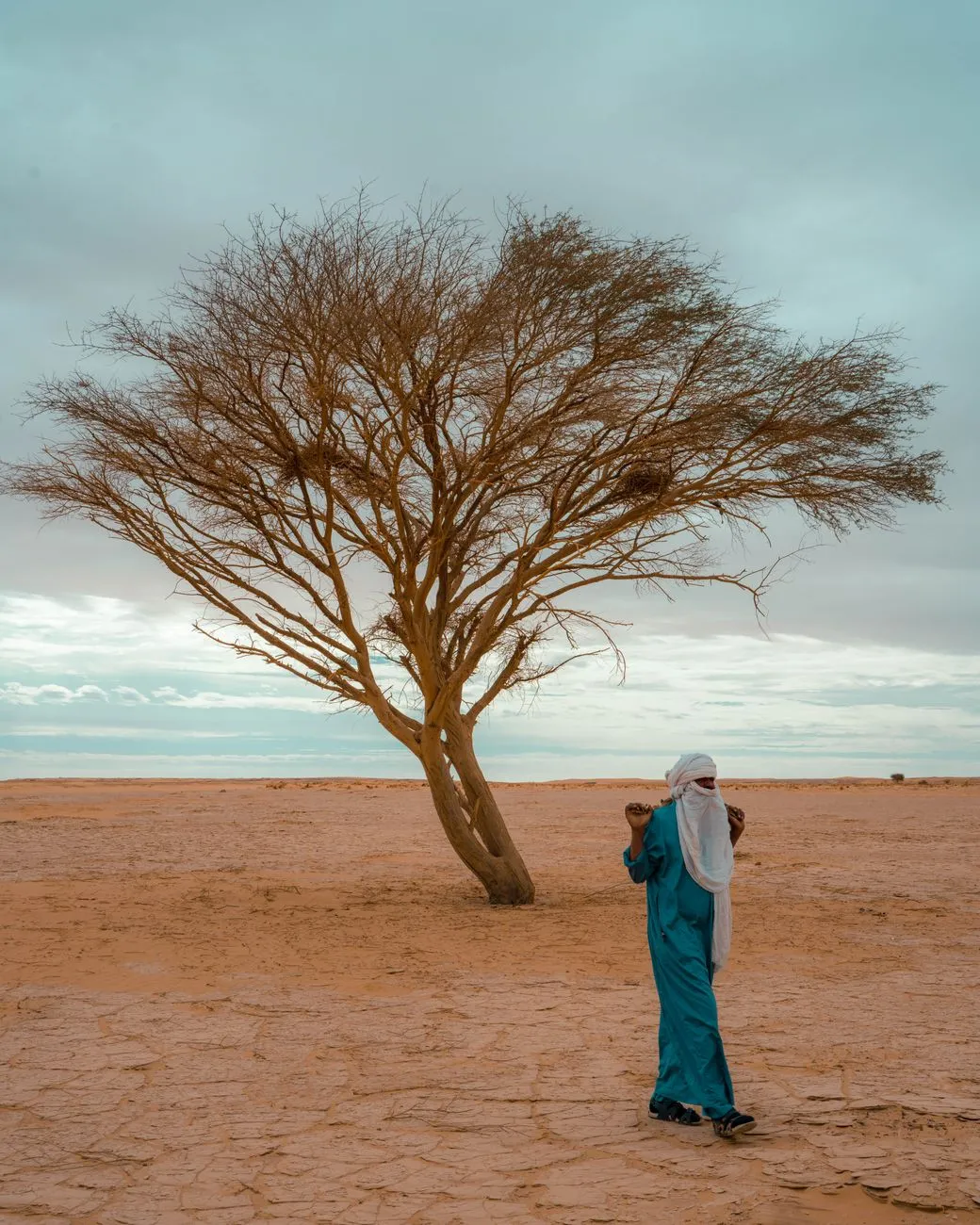
The land package reaches inland too, to Wadi El Natrun, the "Valley of Natron," named for the alkaline salts that ancient Egypt used in mummification and that the Copts came to read as a measure of the heart. Christian monasticism took root here in the fourth century under Saint Macarius, and at its height more than a hundred monasteries stood in the sand. Four remain active, home to around five hundred monks, and you meet some of them where they live.
From a coastline built by conquerors to a desert built by monks, Alexandria has always been the place where Egypt looks outward.
Ready to experience it for youself?
From:$21,345$20,345per person
From:$18,745$17,745per person
Popular Articles

Find Your Perfect Journey
Stay connected with AmaWaterways
Newsletter sign-up form
By signing up, you declare that you have read our Terms & Conditions and consent to receive offers, information and content via current means of communication as per our Privacy Policy.