Africa’s wildlife may draw travelers in, but AmaWaterways journeys reveal the continent through its people, from Soweto to the Chobe and Bo-Kaap.
Africa is easy to picture as wildlife and landscape and harder to picture as people, though the people are the deeper story. It is the second-largest continent and the birthplace of our species, home to thousands of ethnic groups and their languages; Zimbabwe alone recognizes sixteen. On an AmaWaterways journey, the encounters that tend to stay with travelers are the human ones.
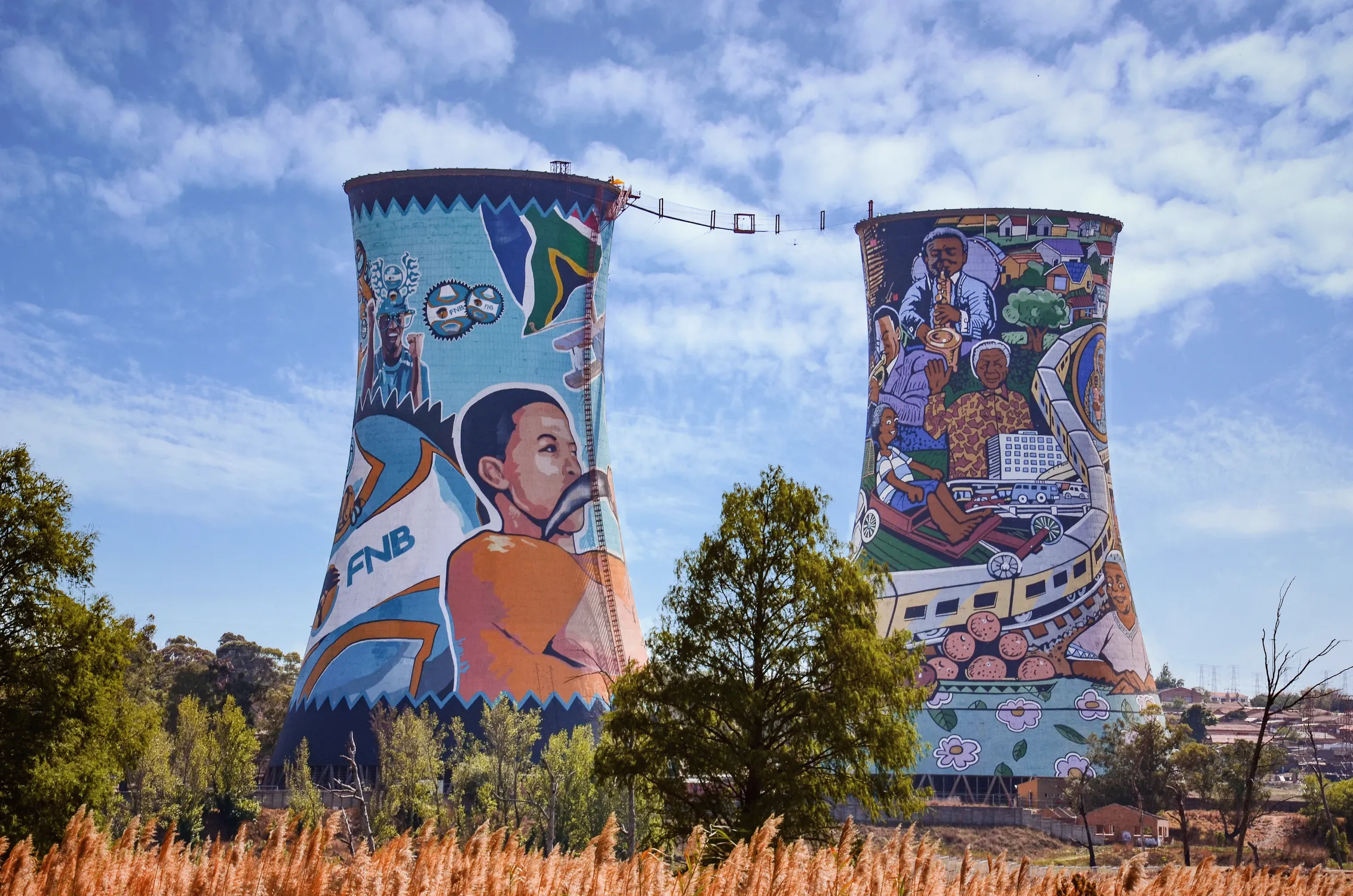
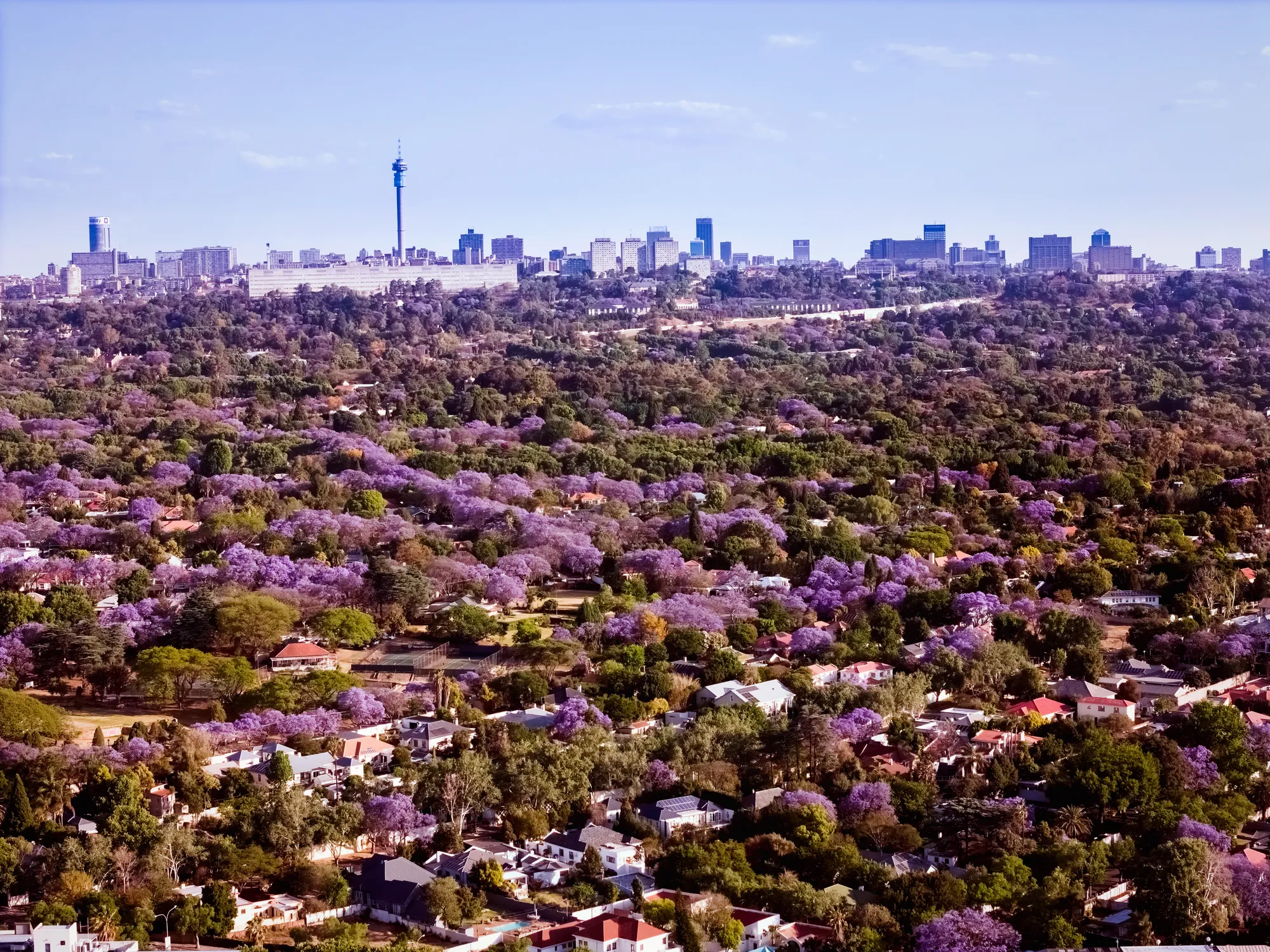
Soweto, short for South Western Township, sits on the edge of Johannesburg and holds one of the turning points in South African history. In June 1976, thousands of students marched to protest being taught in Afrikaans, and the police response turned deadly. Among those killed was 13-year-old Hector Pieterson, remembered now at the museum that carries his name. The uprising is widely seen as a hinge on the long road that ended apartheid in the early 1990s. A visit here is sobering, and it comes with an unexpected grace note: a meal at Nelson Mandela’s former home, cooked from his own favorite recipes by his longtime chef, Xoliswa Ndoyiya. Soweto is a place of memory and of ordinary daily life at once, and an afternoon here takes in both.
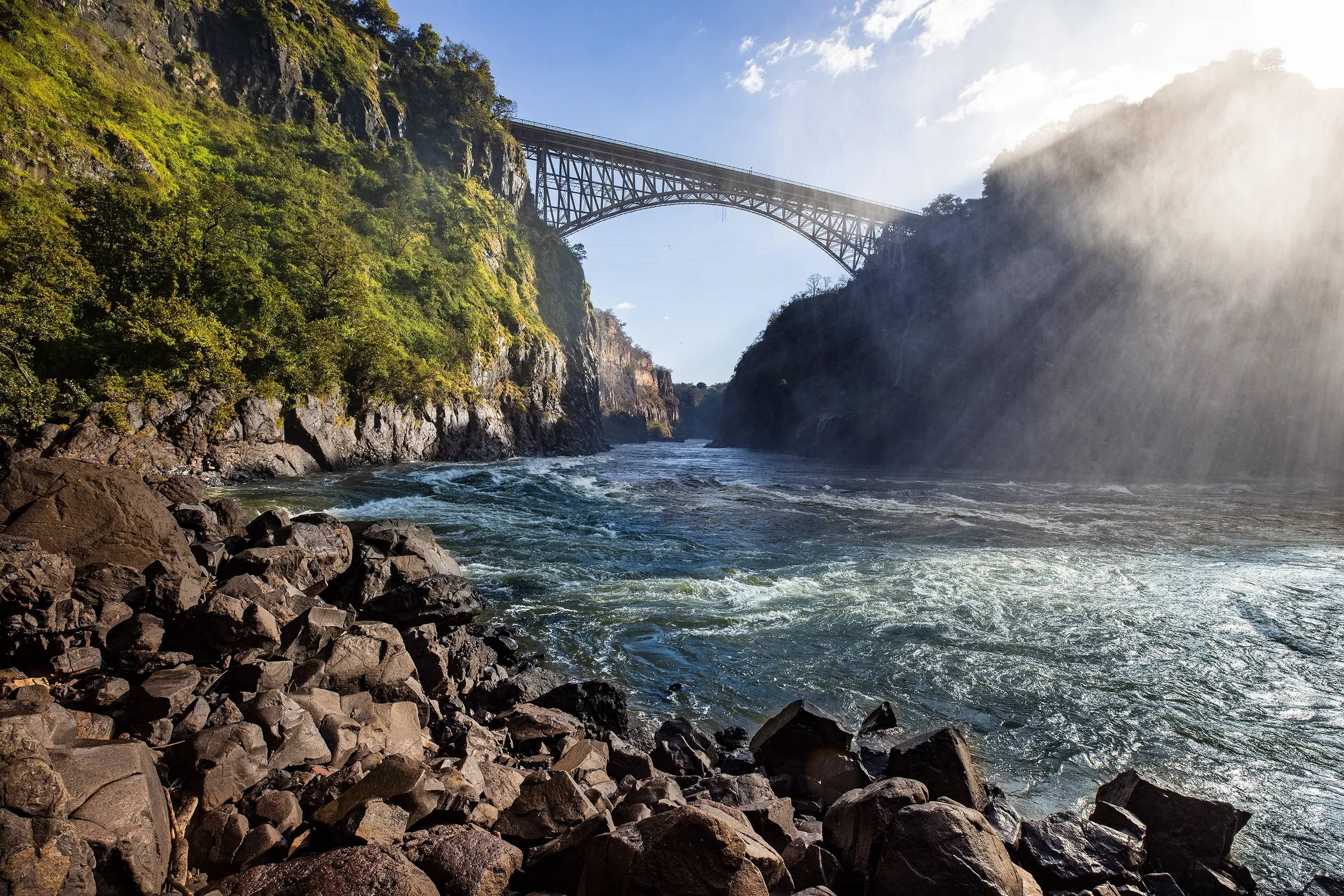
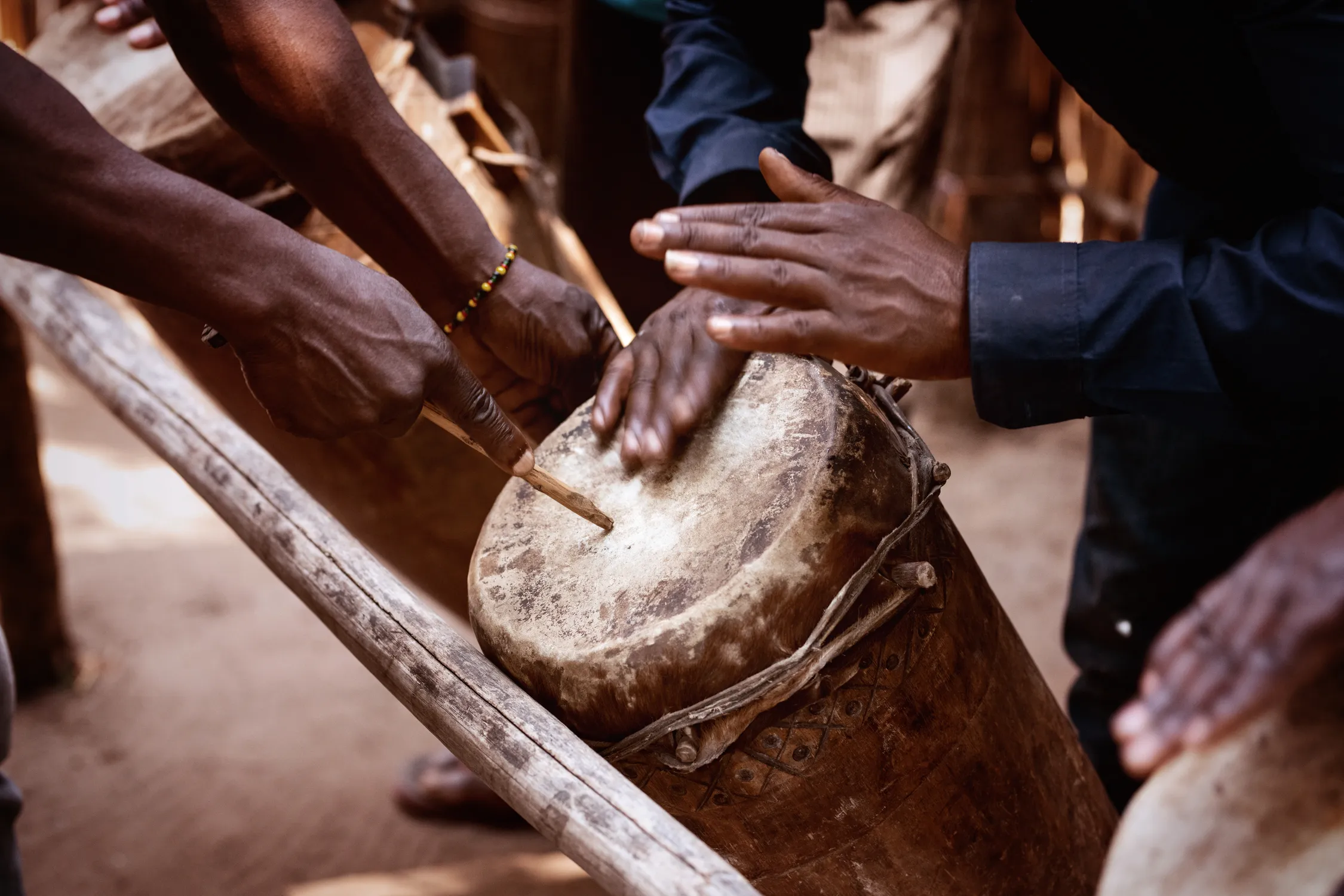
Far to the north, where Zambezi Queen cruises, the Chobe River has been home to the Subiya people for roughly four centuries. Their life here has long turned on fishing, farming and the water itself, and they keep their history in oral story, music and the Seperu dances that mark the milestones of a life. A visit to a Subiya village is part of the journey, and the connection does not end onshore. Many of the ship’s crew come from these same villages, so an introduction made on land carries on at dinner. The Seperu dance you may see, performed in flared skirts that fan out like a bird’s tail, is recognized by UNESCO as living heritage worth safeguarding.
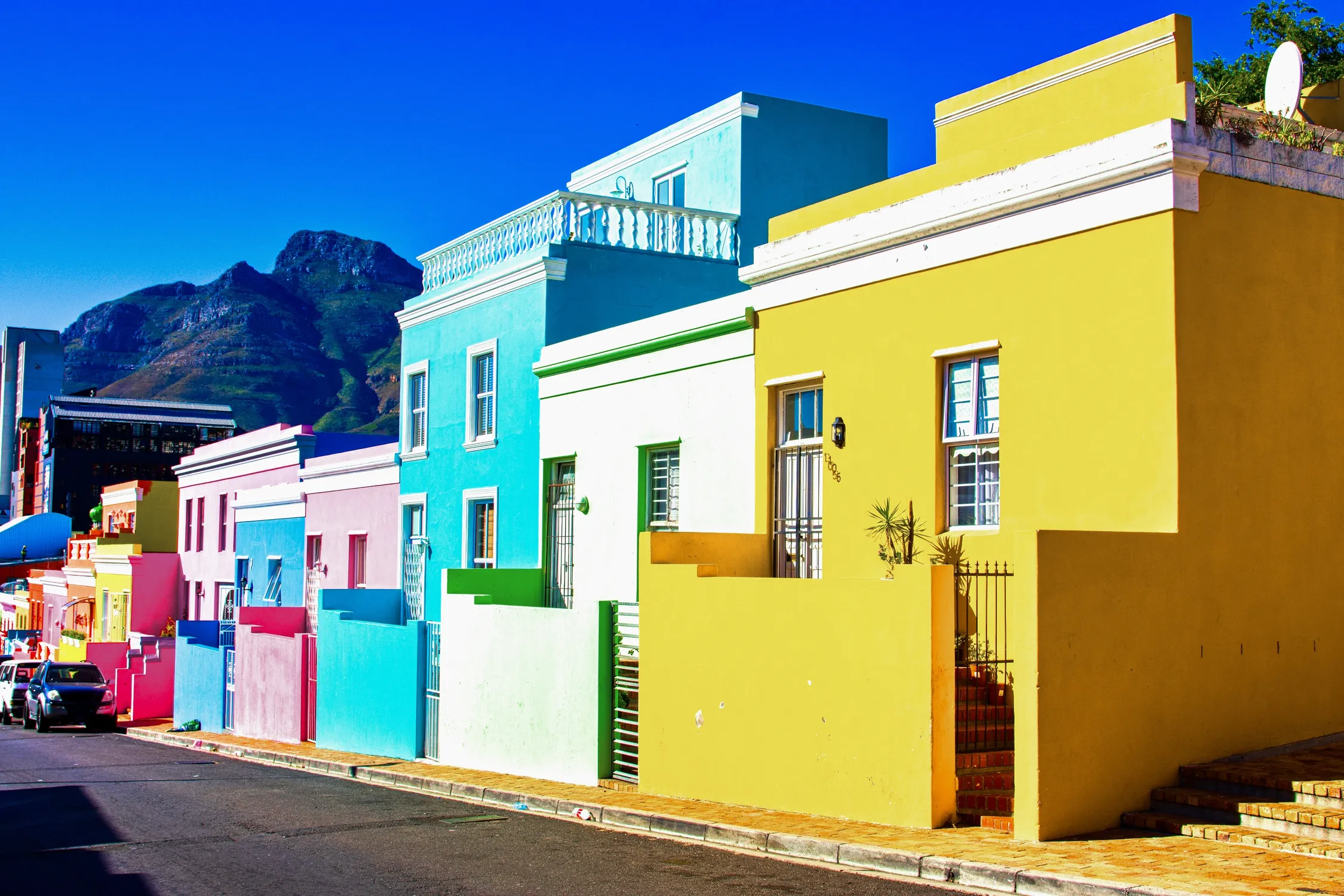
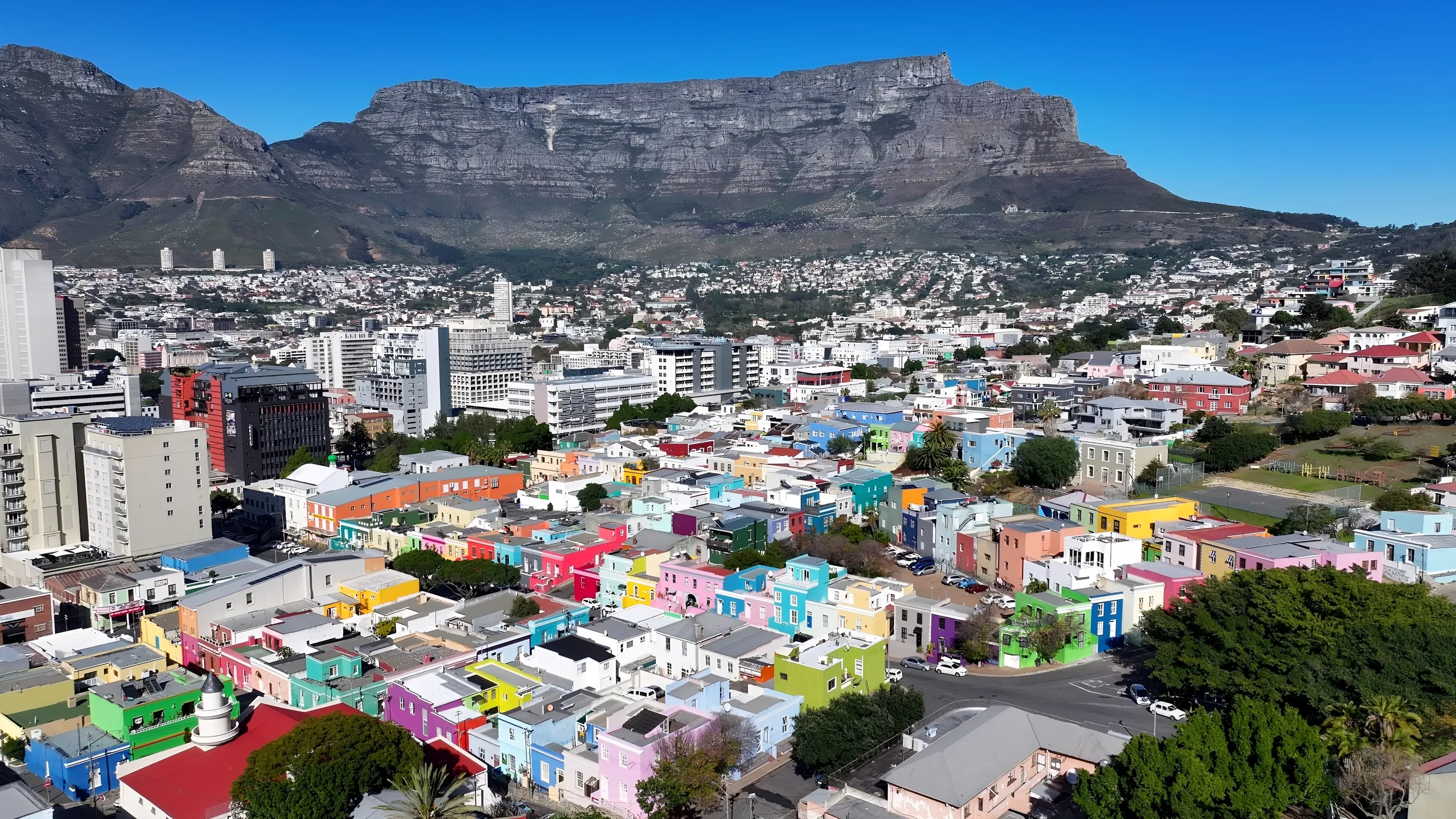
Back in Cape Town, the Bo-Kaap neighborhood climbs a slope in rows of hand-painted houses. This is the historic heart of the Cape Malay community, many of them descended from people the Dutch brought to the Cape in chains in the 17th century. The bright facades and the minarets among them carry that history of faith and endurance, and the cobbled streets, with Table Mountain rising behind, are among the most photographed in the city. Bo-Kaap is also the home of Cape Malay cooking, of koesisters on a Sunday morning and the call to prayer carrying over the rooftops.
Wildlife brings most travelers to Africa. It is the people, in Soweto and along the Chobe and up the lanes of Bo-Kaap, who tend to bring them back.

By signing up, you declare that you have read our Terms & Conditions and consent to receive offers, information and content via current means of communication as per our Privacy Policy.