Rudi Schreiner grew up in Vienna, close enough to the Danube that the river shaped his sense of what travel could be long before he co-founded AmaWaterways.
From:$2,879$1,629per person
Rudi Schreiner grew up in Vienna, close enough to the Danube that the river shaped his sense of what travel could be long before he co-founded AmaWaterways.
When the man they call the "Godfather of River Cruising" sits down to design a Danube itinerary, it's worth seeing what he keeps in. Best of the Danube, a seven-night roundtrip cruise from Budapest, is his distillation of the river he grew up beside: the Wachau Valley's landscapes, its landmark abbeys and castles, and more time in the two cities guests want to return to again and again, Vienna and Budapest.
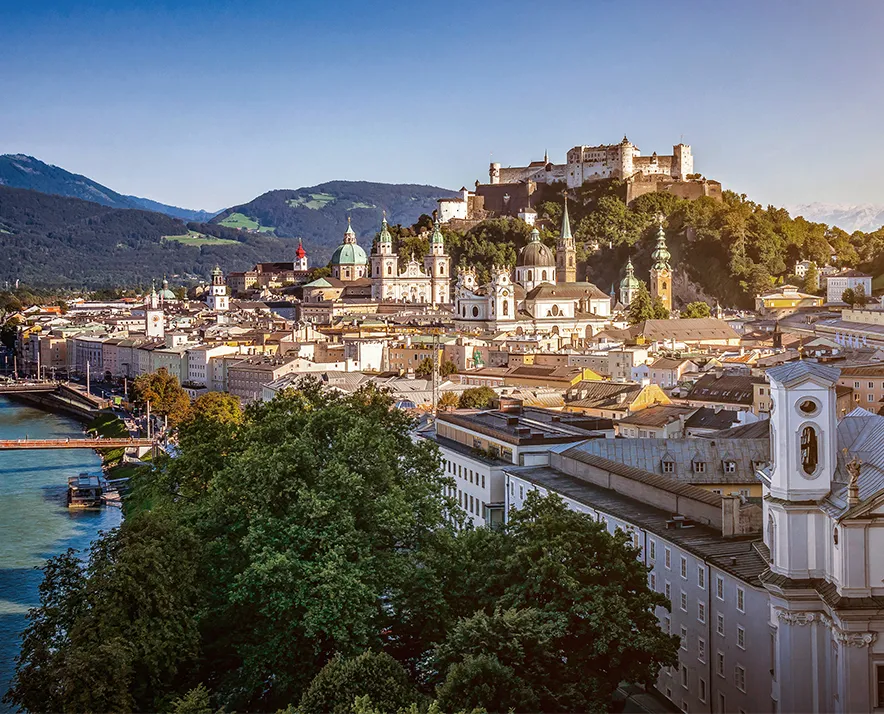
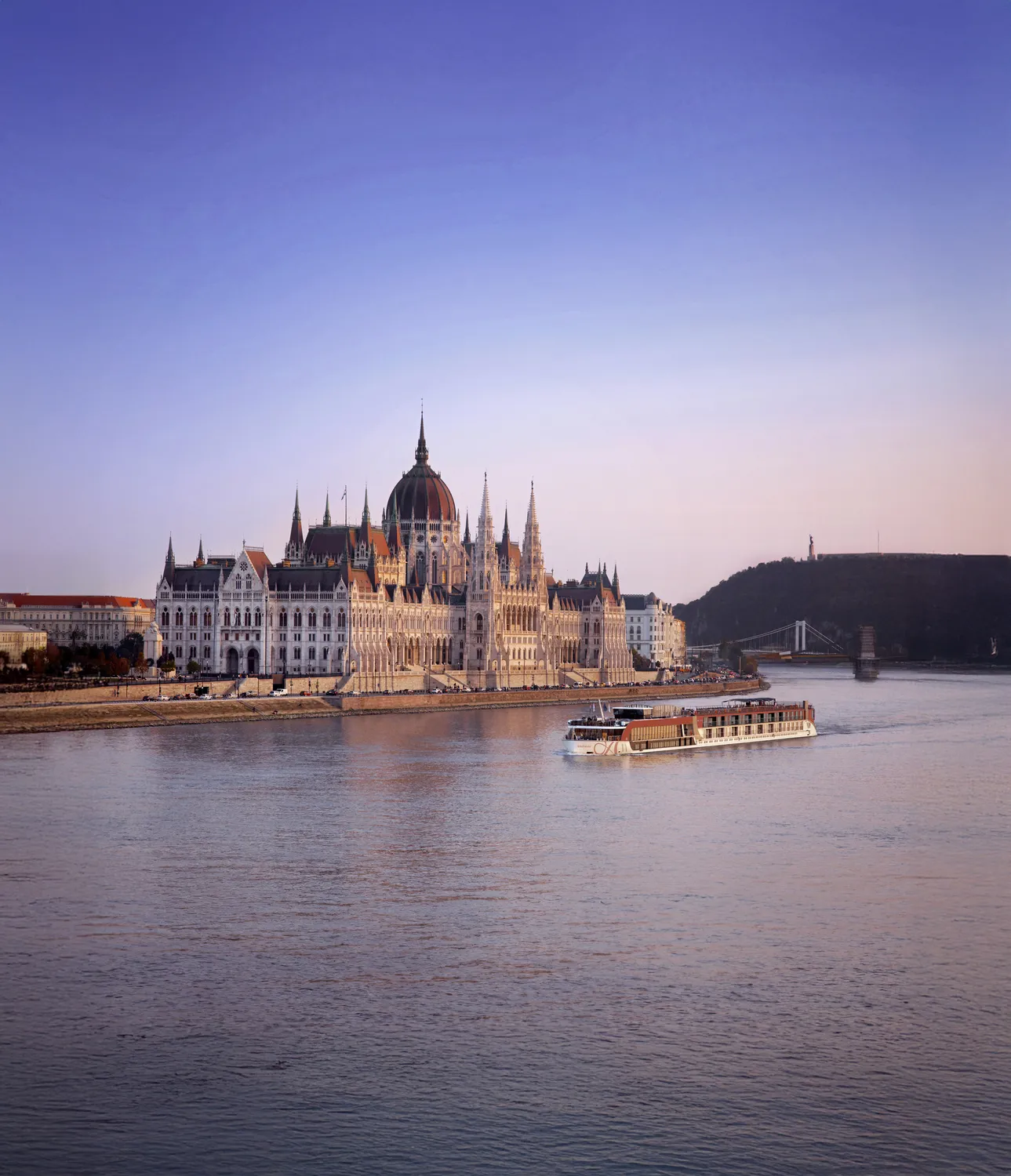
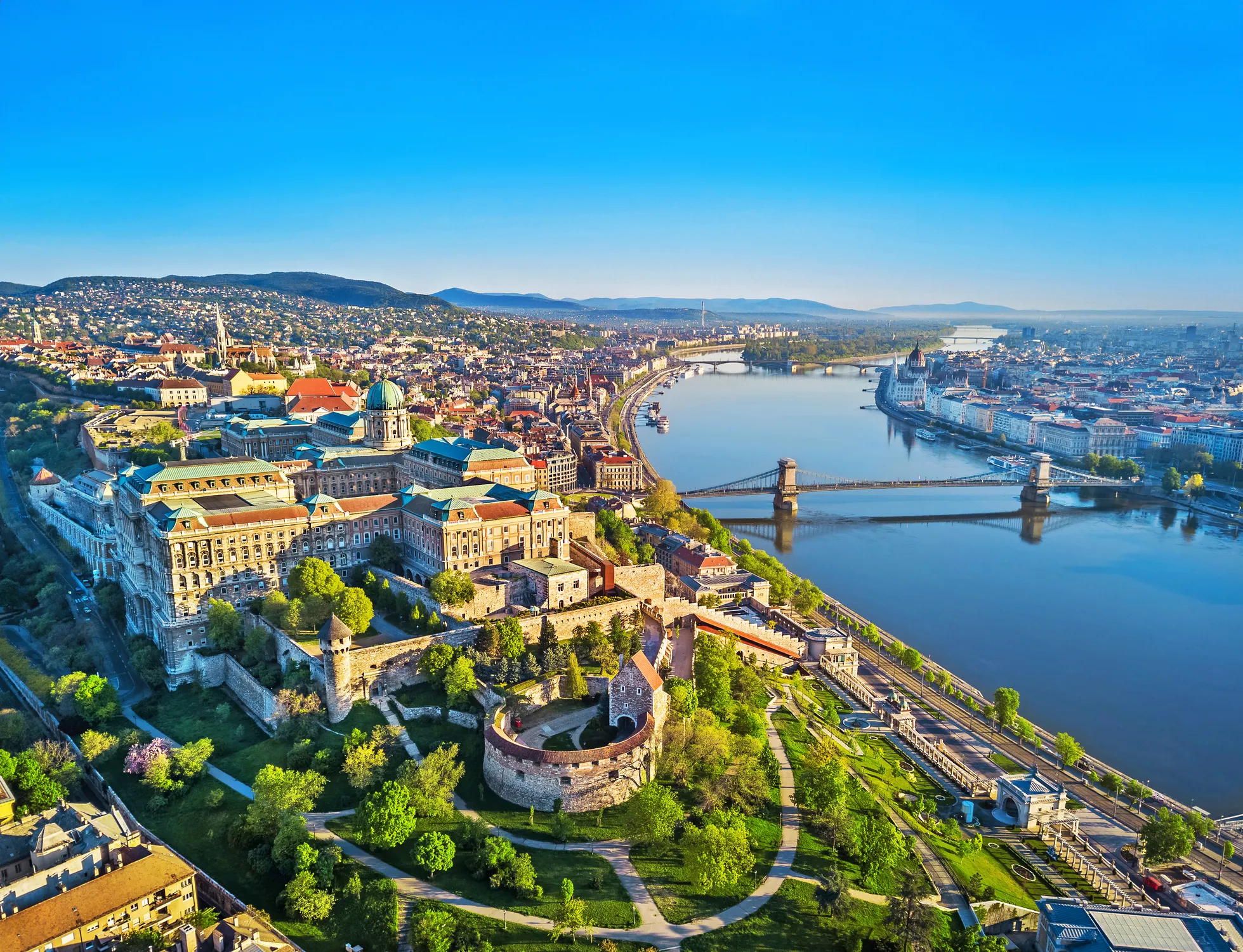
Rudi's hometown instinct shows up in the destinations and highlights along the route. The week strings together the Danube's capital cities and their best-known sights, Bratislava's hilltop castle above the Old Town, a full day reaching Salzburg's historic center from Linz, Fisherman's Bastion in Budapest by morning and the Parliament building by afternoon. But it's the overnights in both Vienna and Budapest that reveal Schreiner's own priorities: these are cities that he knows tell an interesting story once the sun sets and the lights illuminate their boulevards. That's why the itinerary builds in late hours for a different view of each place, whether that's a night ride on Vienna's Wiener Riesenrad, the world's oldest working Ferris wheel, or a drink at one of Budapest's ruin bars.
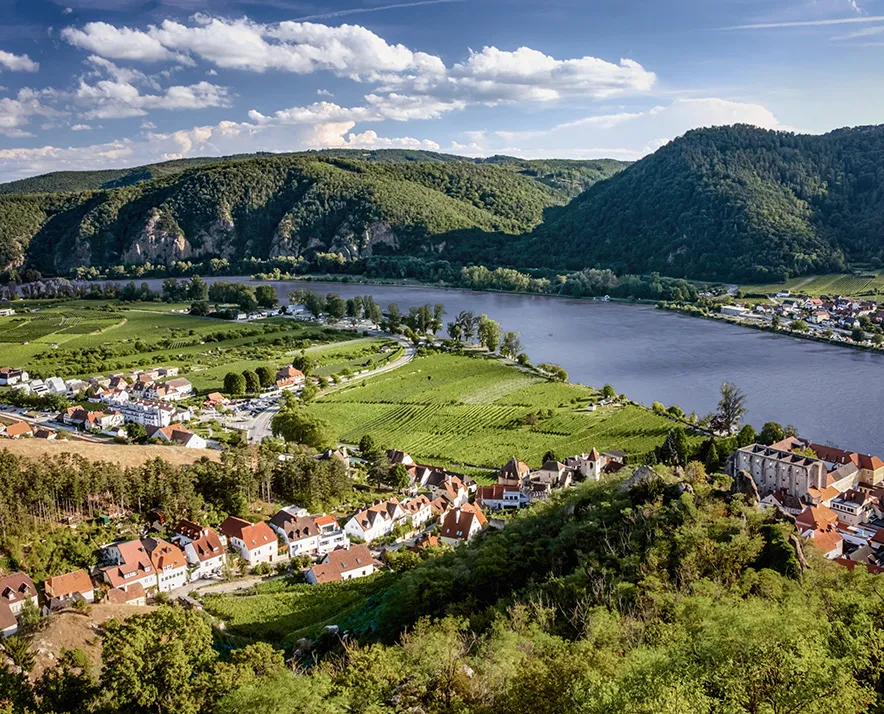
Equally important to this itinerary is the river itself, which is why Rudi also made sure to include plenty of time for scenic cruising, meaning the itinerary has been planned so that you're passing through the region's most picturesque landscapes during the day rather than overnight in the dark. This includes both the Wachau and Strudengau valleys in Austria, two stretches of the Danube that could not feel more different from one another.
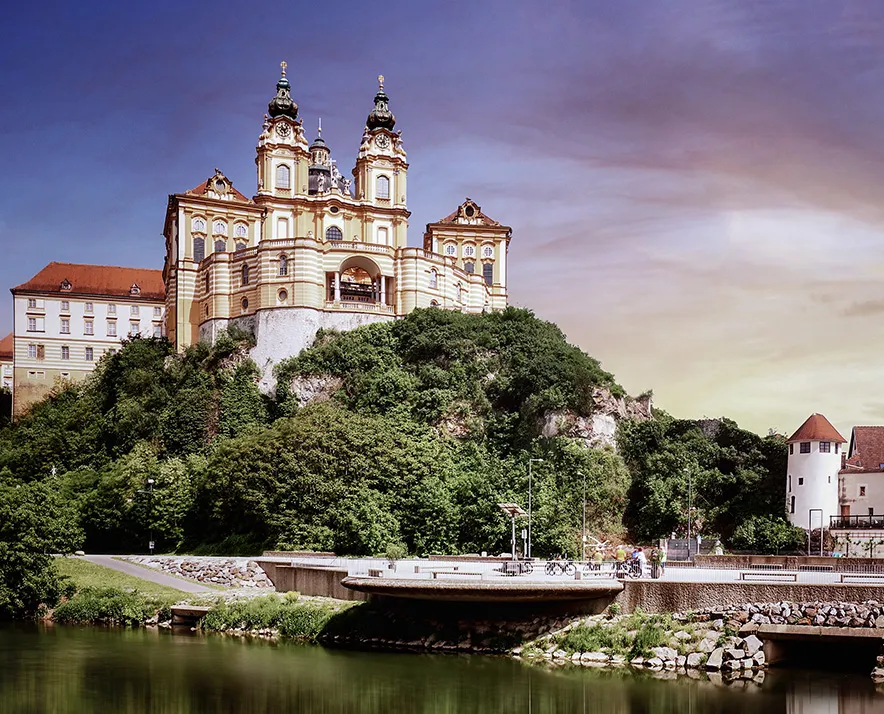
The Wachau, a 25-mile run between Melk and Krems, is Austria's most celebrated wine region and a UNESCO World Heritage site, its terraced vineyards and apricot orchards climbing the hillsides above medieval villages, ruined castles and the Baroque towers of Melk Abbey. It's the kind of landscape that has drawn painters and poets for centuries, and there's a reason: step up to the Sun Deck and watch vineyard rows, hilltop ruins and riverside towns pass in sequence as you cruise steadily along the river.
The Strudengau tells a different story. Once the most feared stretch of the entire Danube, its name comes from the German word for whirlpool, a reference to the rapids and eddies that used to swirl through this narrow gap in the Bohemian Massif's granite. Medieval boatmen dreaded the passage so much that the ruined castles overlooking it, Werfenstein among them, once held chains across the river to collect tolls, or worse, from anyone who tried to pass. The rapids are gone today, tamed by modern river engineering, but the granite gorge, the castle ruins and the historic town of Grein, home to the oldest surviving secular theater in Austria, remain, a quieter, wilder counterpoint to the Wachau's postcard vineyards.
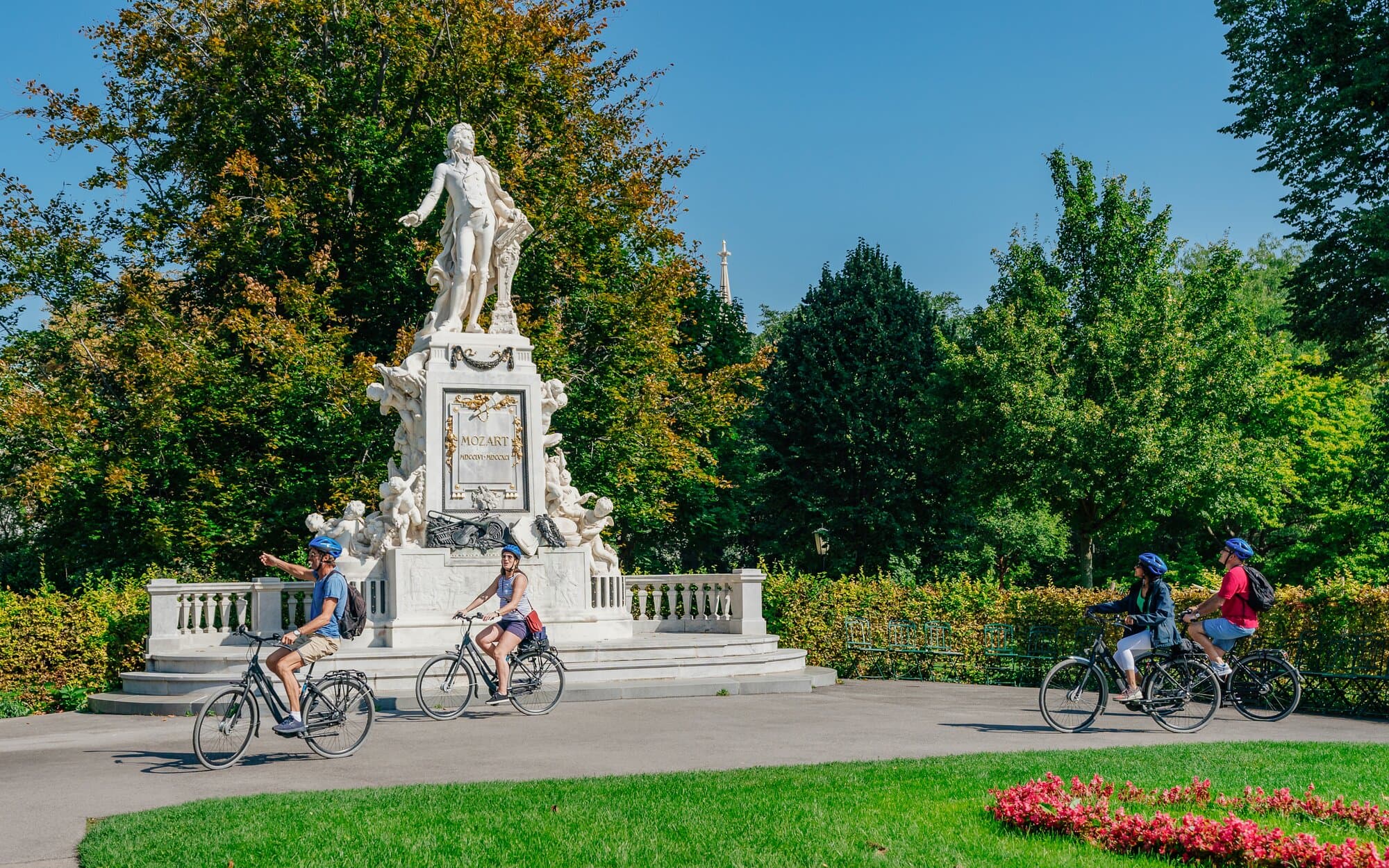
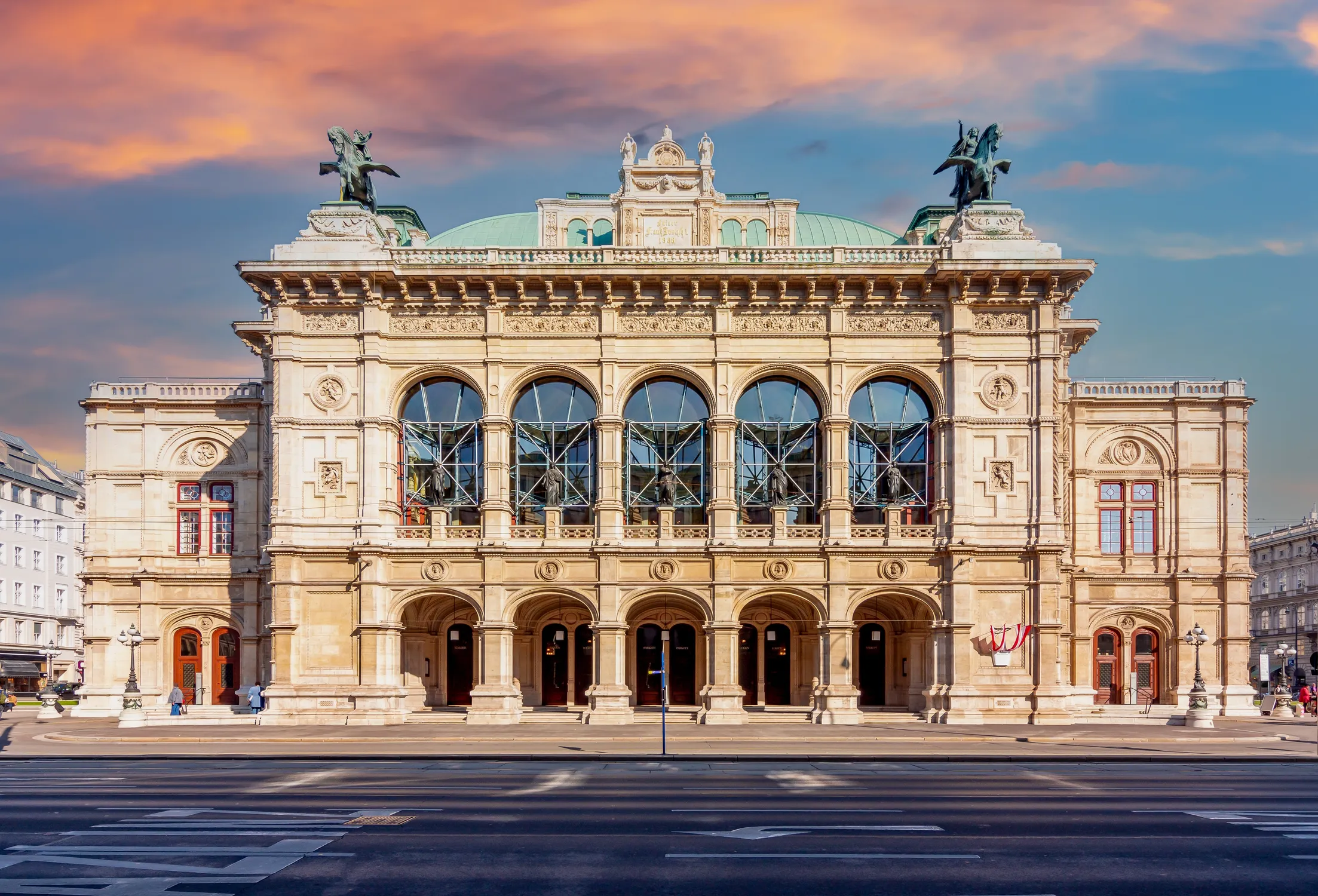
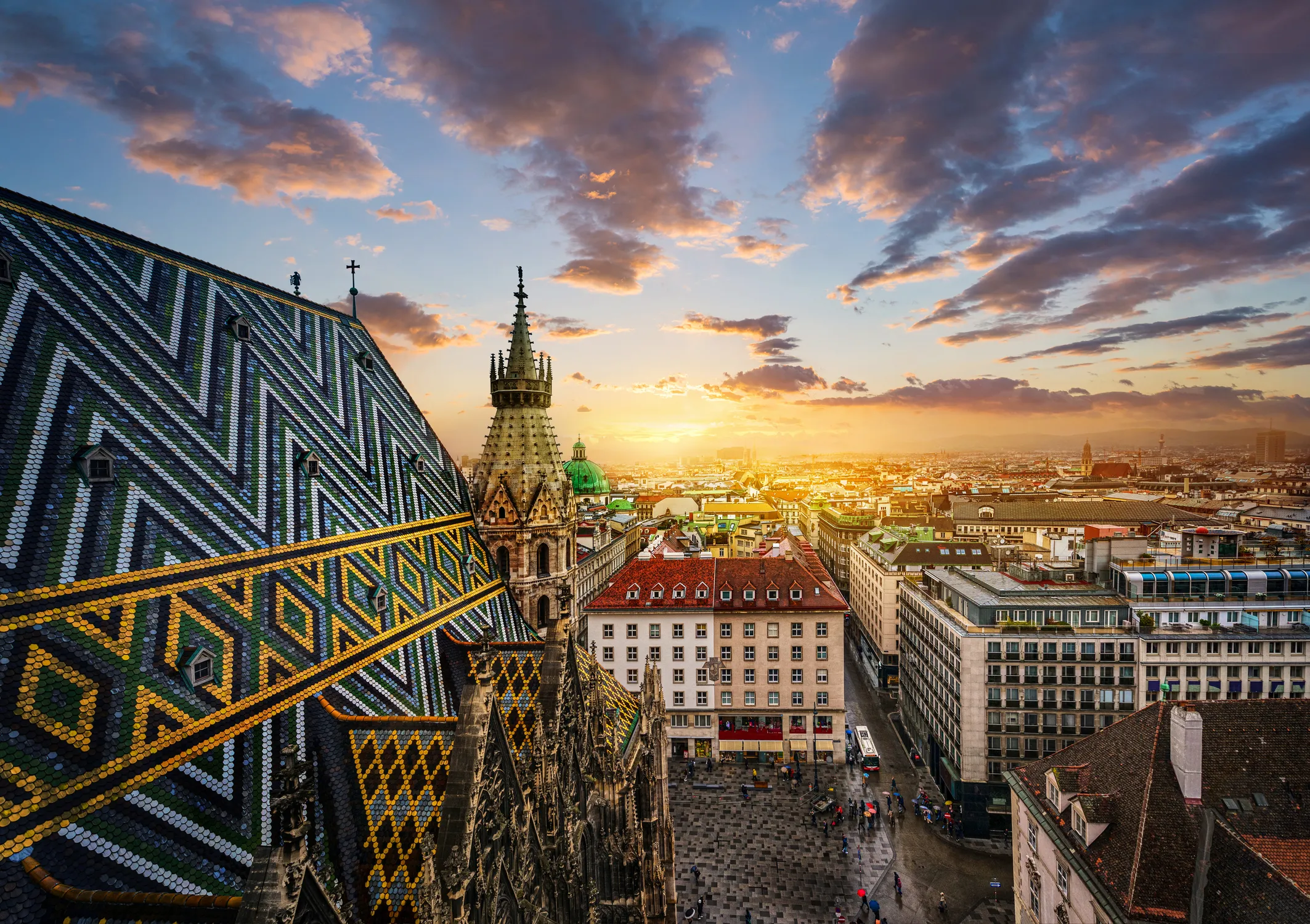
With up to four included onshore experiences to choose from each day, you and your travel companions can split up in the morning and compare notes over dinner. Vienna makes the clearest case for this. The ship typically docks here by lunchtime, giving everyone a first look at the city together before stepping aboard a horse-drawn carriage or hopping on a bike for a ride through the old center, passing the State Opera House and the Hofburg Palace along cobblestone. The evening is left deliberately open: stay aboard to enjoy the ship's entertainment and amenities, or head into the city for a nightcap, coffee or dessert. Café Hawelka is one of our favorite spots, with its homey atmosphere and decadent apple strudel.
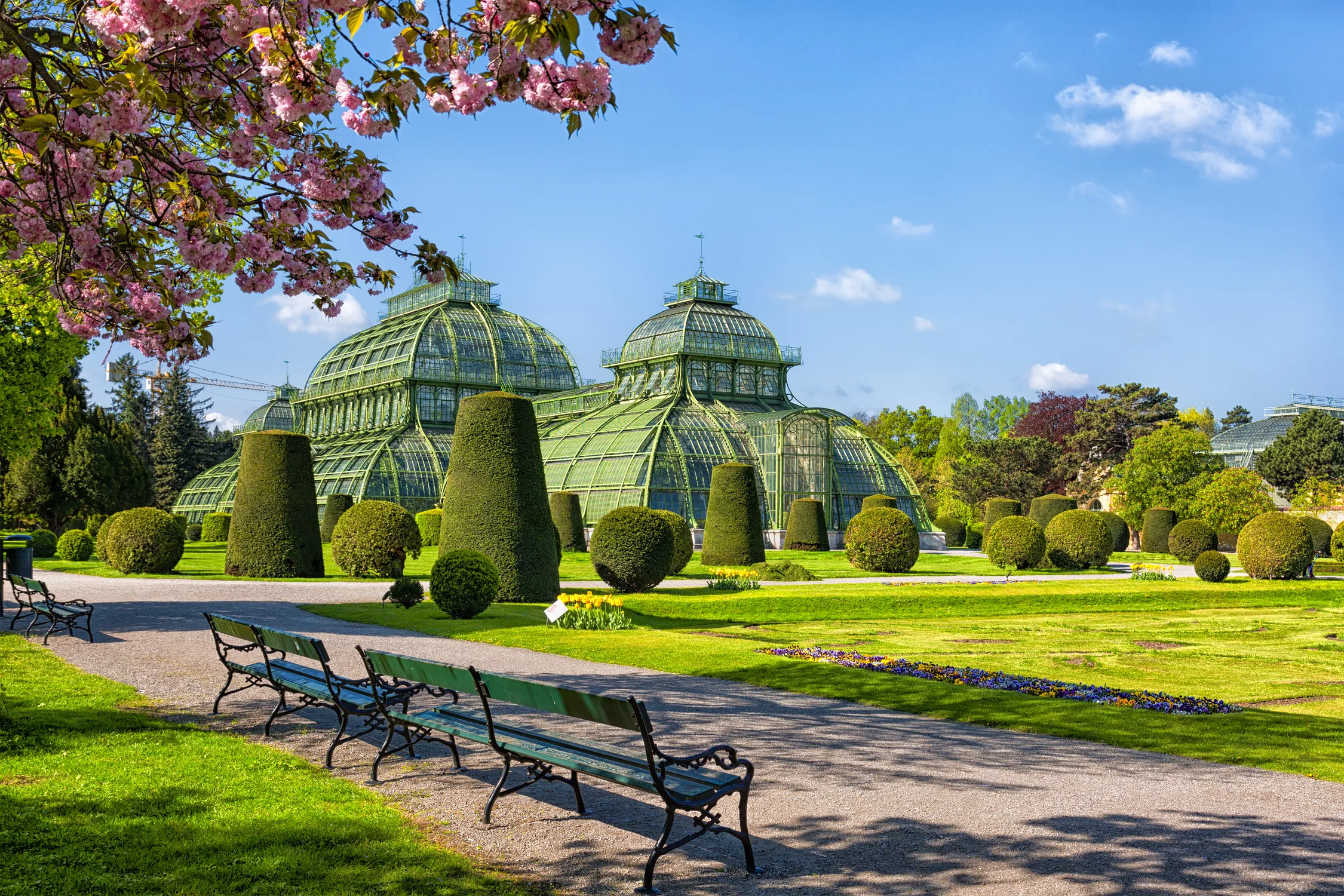
The next morning offers even more choice for exploring the city. Join a hike through the Vienna Woods, the forested hills that ring the city's western edge, for a quieter, greener side of Vienna that most cruise itineraries skip entirely. Or spend the morning at Schönbrunn Palace, the former summer residence of the Habsburgs, touring its state rooms and gardens before returning to the ship. Neither choice is required. You're just as welcome to strike out on your own, whether that means a museum, a restaurant on your hit list, or heading to a little shop that caught your eye during your carriage ride. The best part? Your Cruise Manager is available to answer questions, offer restaurant recommendations or help you navigate the city's public transportation system.
This is the only AmaWaterways itinerary that cruises roundtrip from Budapest, which keeps the flight logistics simple. You can book roundtrip flights through Budapest Ferenc Liszt International Airport, which handled nearly 20 million passengers last year and connects to more than 160 destinations across Europe and beyond, one of the busier airports in this part of the continent and a genuinely convenient gateway for a trip that begins and ends in the same city.
A two-night Budapest pre-cruise package can be added before the cruise if you're someone who likes to get their bearings at the start of an international trip. Our two-night land package features centrally located accommodations at a four- or five-star hotel in the city, so you'll have a comfortable place to arrive and unwind. One of our favorite partner properties in Budapest is the Dorothea Hotel, a five-star property built across three connected 19th- and 20th-century buildings just steps from the Danube and St. Stephen's Basilica. Its interiors, designed by Italian architect Piero Lissoni, blend Hungarian craft details into a modern, art-filled space, and its dining ranges from a lush garden restaurant to a rooftop bar overlooking the city.
The land package also includes our "Hidden Budapest" tour, which moves past the city's most-photographed landmarks toward its lesser-known corners: the Art Nouveau curves of Nyugati Railway Station, the Great Synagogue, one of the largest in the world, and the ruins of Aquincum, the Roman settlement that once stood where Budapest sits today.
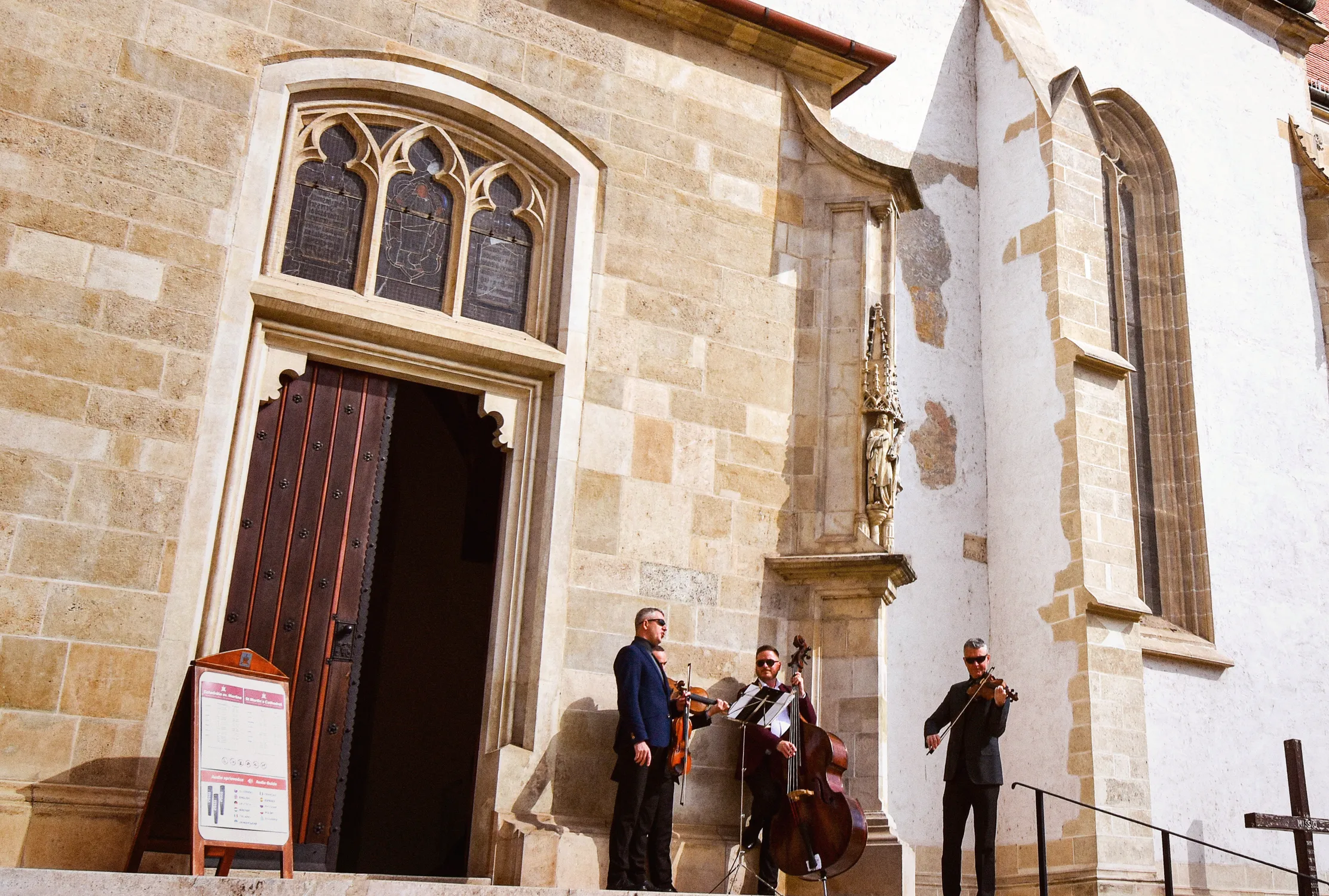
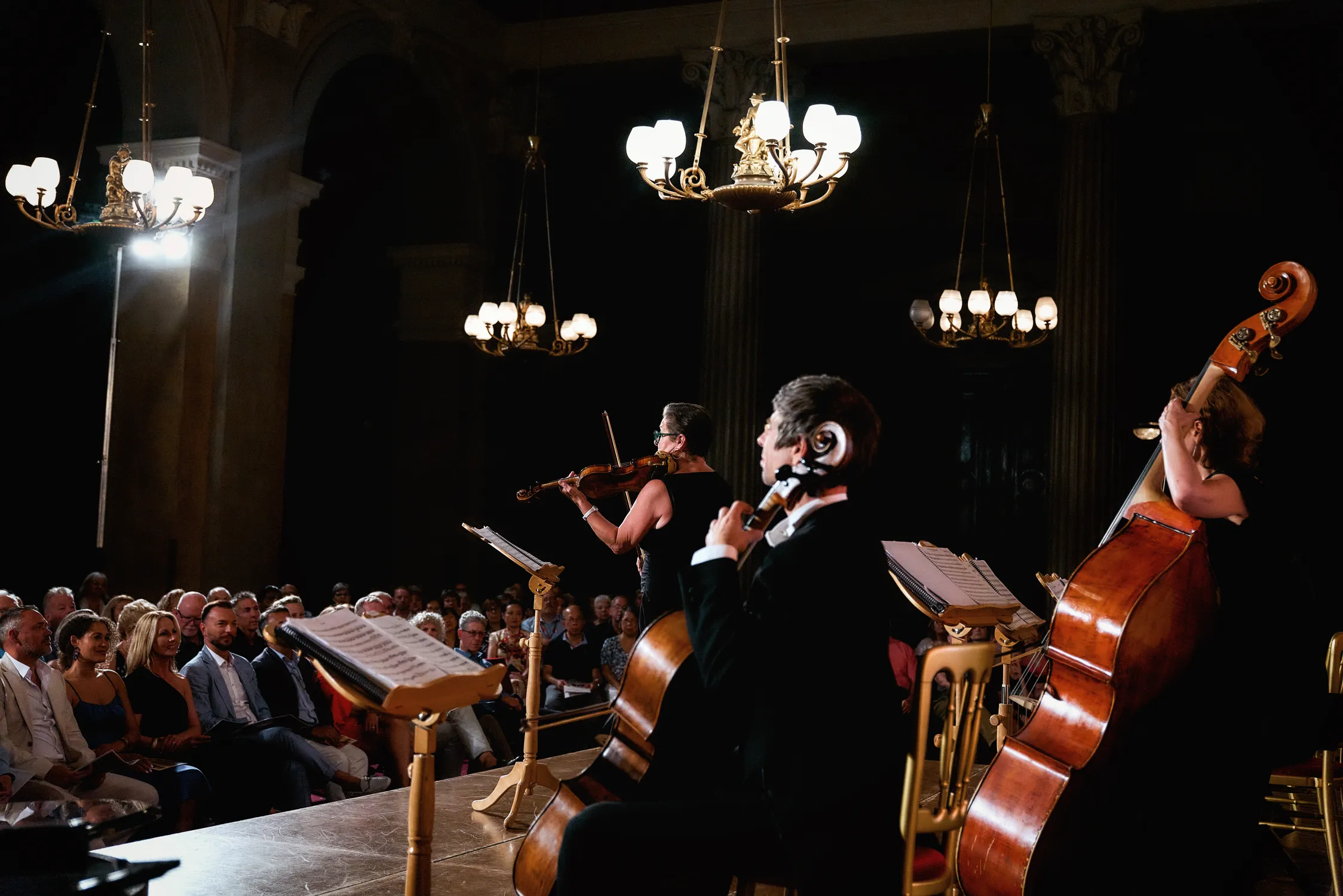
On select Celebration of Music departures, exclusive to this itinerary, the onshore experiences lean into music, with live performances on board and on shore, a fitting echo of a route through the region that produced so many of Europe's great composers. And with departures in every season, you can choose whether you want to see the Danube in spring blossom, during summer, or in the quieter autumn and winter months.
What ties all of this together is the same instinct that's shaped AmaWaterways since its founding: a Danube itinerary built by someone who grew up on this river. Best of the Danube reflects that firsthand knowledge: the timed daylight cruising through two very different valleys, the overnights built around each city's evening character, the flexibility to explore destinations from different vantage points while still ending the day at the same table. For travelers who want a Danube River cruise designed with that kind of personal history behind it, this is the itinerary to book.
Reserve your Best of the Danube river cruise.
By signing up, you declare that you have read our Terms & Conditions and consent to receive offers, information and content via current means of communication as per our Privacy Policy.