Bruges rewards visitors with layered stories: contested relic origins, the legend of Blind Donkey Alley, and Michelangelo’s Madonna in a preserved medieval city.
From:$6,653$3,753per person
Bruges rewards visitors with layered stories: contested relic origins, the legend of Blind Donkey Alley, and Michelangelo’s Madonna in a preserved medieval city.
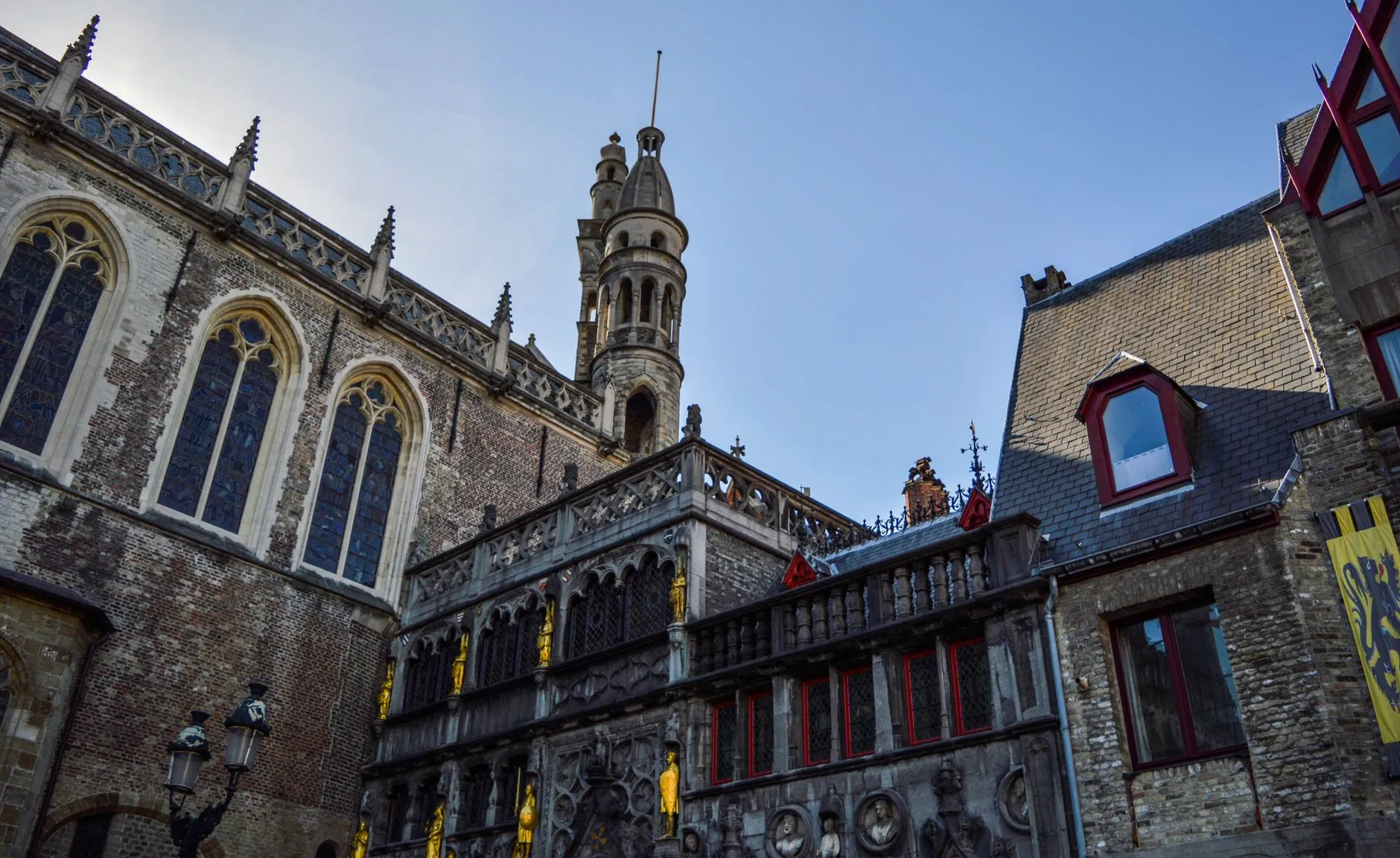
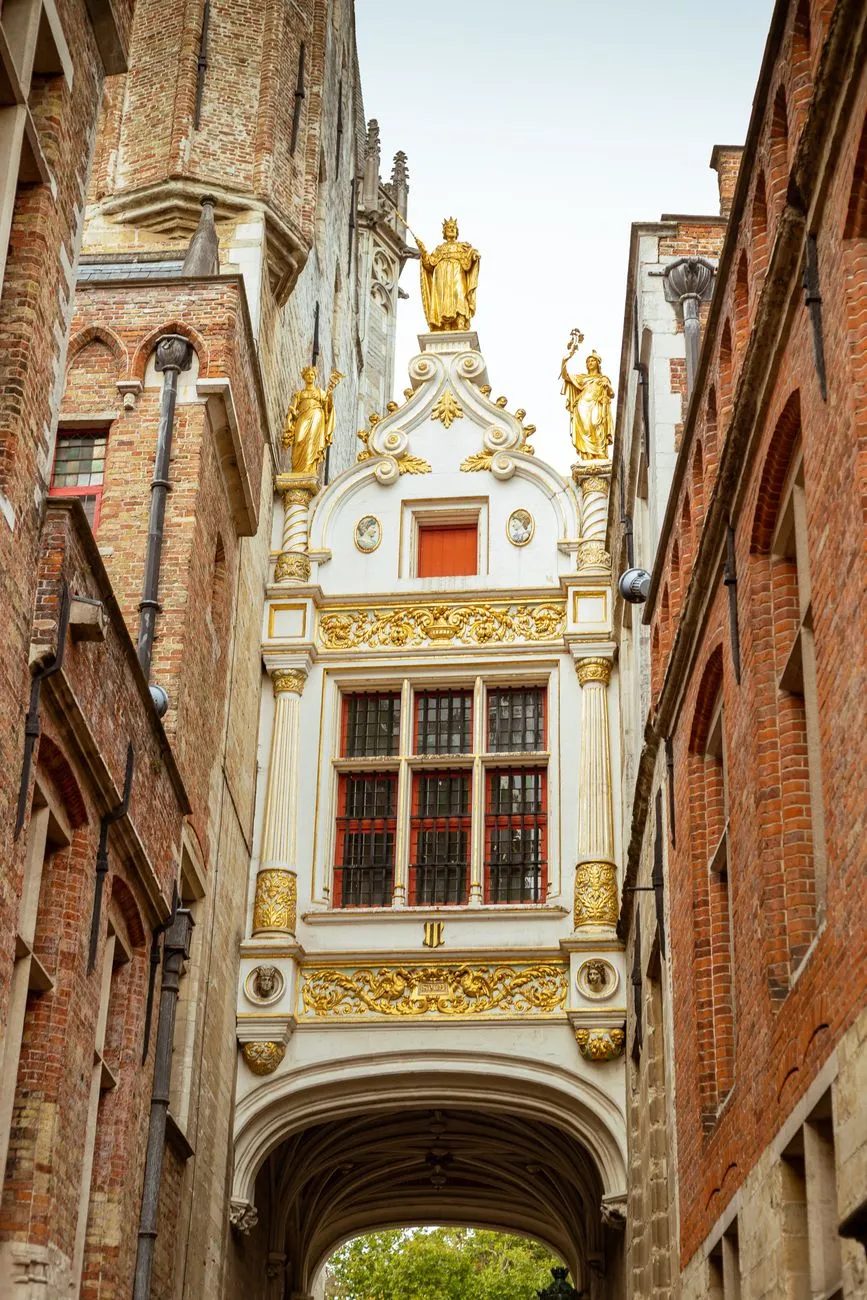
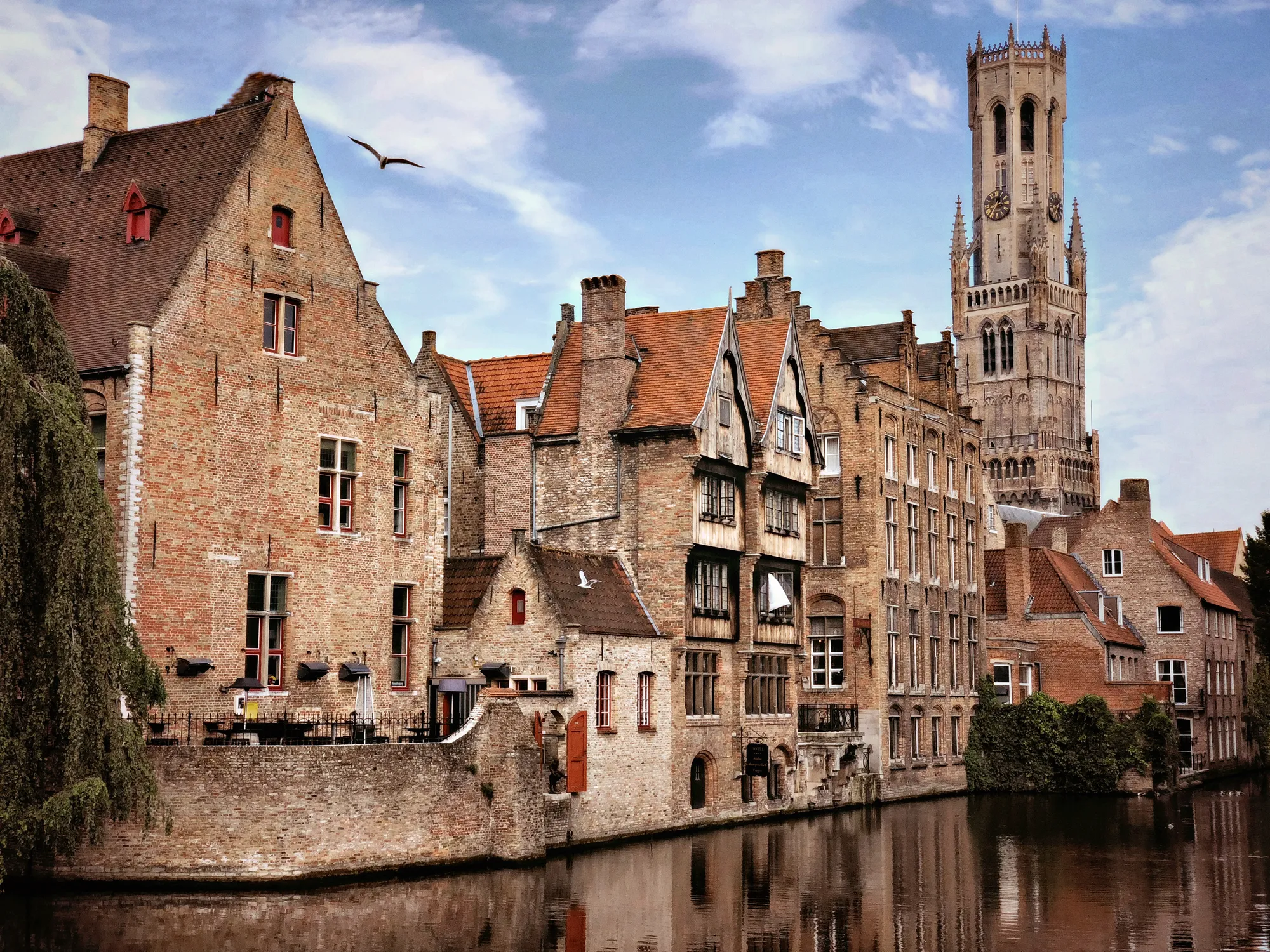
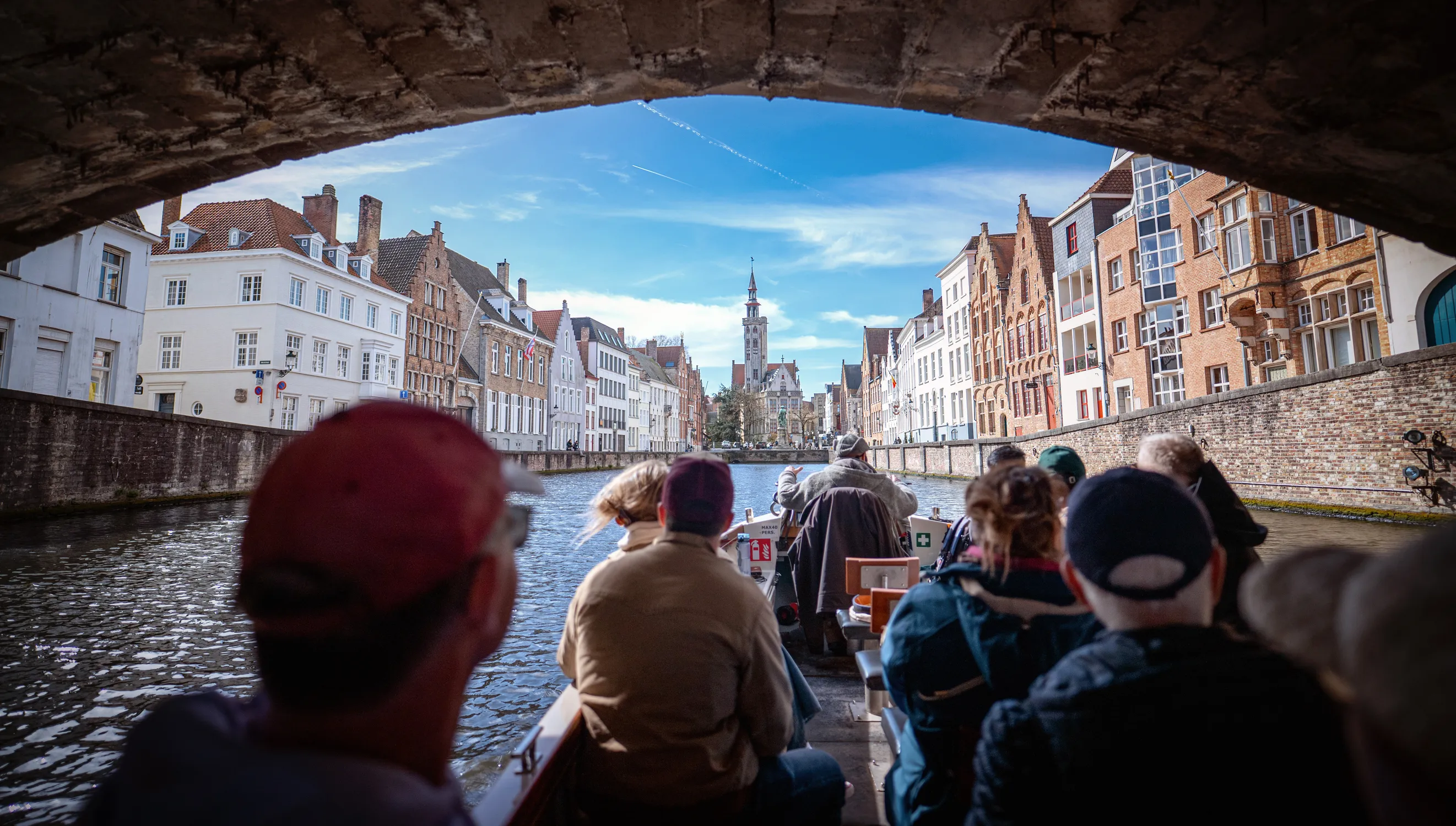
Bruges rarely settles for one explanation when two will do. Ask a local guide how a relic arrived in the city, or why a street carries the name it does, and you'll often get the legend first, then the historians' more complex answer trailing right behind it. On a full-day onshore experience in Bruges, part of AmaWaterways' Tulip Time and Best of Holland & Belgium itineraries, that tension between story and fact is what makes this UNESCO World Heritage city worth slowing down for, past the horse-drawn carriages and the winding canals, into the Basilica of the Holy Blood, Blind Donkey Alley and the Church of Our Lady.
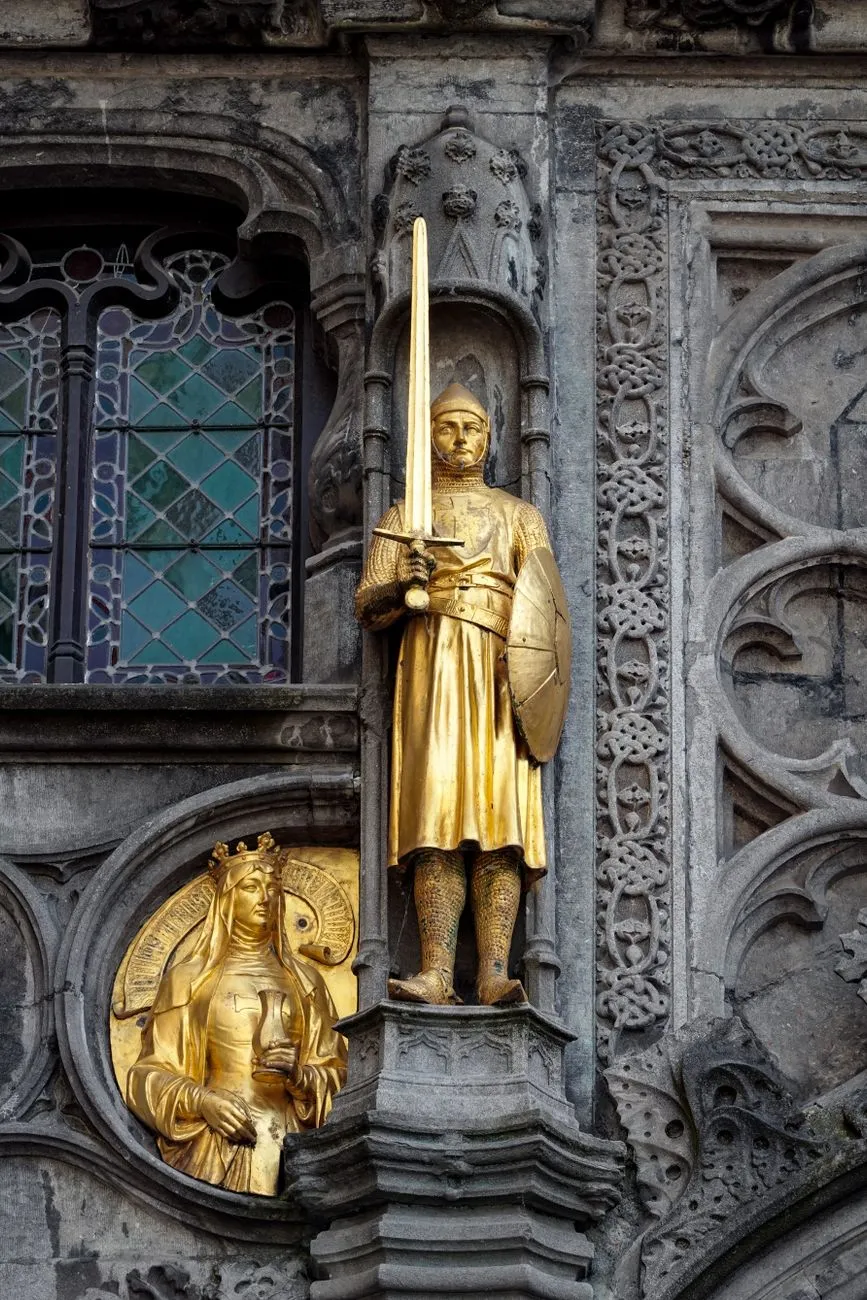
Bruges' most revered site holds a relic believed by the devout to be a cloth used by Joseph of Arimathea to clean Christ's body after the crucifixion. Tradition credits its arrival to Thierry of Alsace, Count of Flanders, who is said to have brought it back from the Holy Land after the Second Crusade in 1150, a gift from his brother-in-law, Baldwin III of Jerusalem.
Historians tell a different story. No written record places the relic in Bruges before 1256, more than a century after Thierry's return, and the glass vessel that holds it has been identified as a Byzantine perfume bottle, leading most scholars to trace its arrival instead to the sack of Constantinople in 1204. Whichever version is true, the relic has been housed since the 15th century inside the Basilica's upper chapel, a Gothic space where a wall painting behind the altar depicts its legendary arrival. Each spring, the city still processes the relic through its streets in a tradition dating to at least 1303, more than seven centuries of devotion built on a story that may or may not be exactly what happened.
Few streets in Bruges carry a name as strange, or as contested, as Blinde Ezelstraat, Blind Donkey Alley. The story traces back to 1382, when Ghent's forces defeated Bruges at the Battle of Beverhoutsveld and pillaged the city, making off with the gilded dragon that had crowned the Belfry of Bruges since Baldwin IX brought it home generations earlier. Loading the dragon onto a cart pulled by a local donkey, the Ghent soldiers reached the city gates only to find the animal refusing to move another step.
Some versions of the legend say the soldiers blindfolded the donkey to break its resistance; others say they blinded it outright. Either way, the dragon left Bruges for Ghent, where a version of it still sits atop that city's own belfry today. The donkey lost, but its stubborn refusal earned it a permanent place in Bruges' memory, and a narrow street between Burg Square and the old fish market that still carries its name.
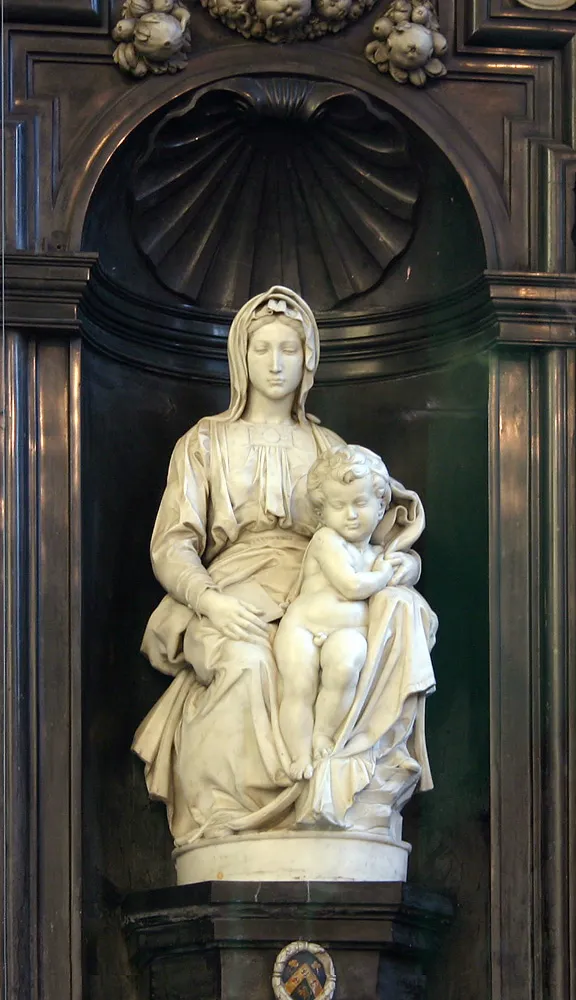
At nearly 400 feet, the Church of Our Lady holds the second-highest brick tower in the world, built over two centuries starting in the 13th century. Inside, the metal-cast tomb of Mary of Burgundy, a striking departure from the wood and stone typical of earlier tombs, shares the space with something far more contested: Michelangelo's Madonna and Child, the only sculpture he completed to leave Italy during his own lifetime.
Even where it was meant to end up is disputed. Some scholars believe Michelangelo carved it for the Piccolomini Altar in Siena Cathedral, a commission that fell through amid a dispute with the cardinal who ordered it. Others argue Bruges was the intended home all along. Either way, a wealthy Bruges wool merchant purchased the sculpture directly from Michelangelo's workshop in 1506, and it has left the city twice since: first to Paris, returning only after Napoleon's fall, and then to Nazi Germany during World War II, when it was recovered from an Austrian salt mine by the Allied soldiers depicted in the 2014 film The Monuments Men.
Bruges wears its history on its cobbled streets, but it rarely wears just one telling of it. A basilica with two possible origin stories. A street named for a legend historians can't quite pin down. A sculpture that may never have been meant for Bruges at all. Between a plate of fresh Belgian fries and a stop at a waffle stand, that's the real pleasure of walking through this city: not settling on which version is true, but noticing how many versions there are to choose from.
By signing up, you declare that you have read our Terms & Conditions and consent to receive offers, information and content via current means of communication as per our Privacy Policy.