From Table Mountain to Cape Point and the Hout Bay coast, Cape Town reveals South Africa’s natural drama in one unforgettable day, shaped by ocean, fynbos, wildlife, and sweeping views.

From Table Mountain to Cape Point and the Hout Bay coast, Cape Town reveals South Africa’s natural drama in one unforgettable day, shaped by ocean, fynbos, wildlife, and sweeping views.
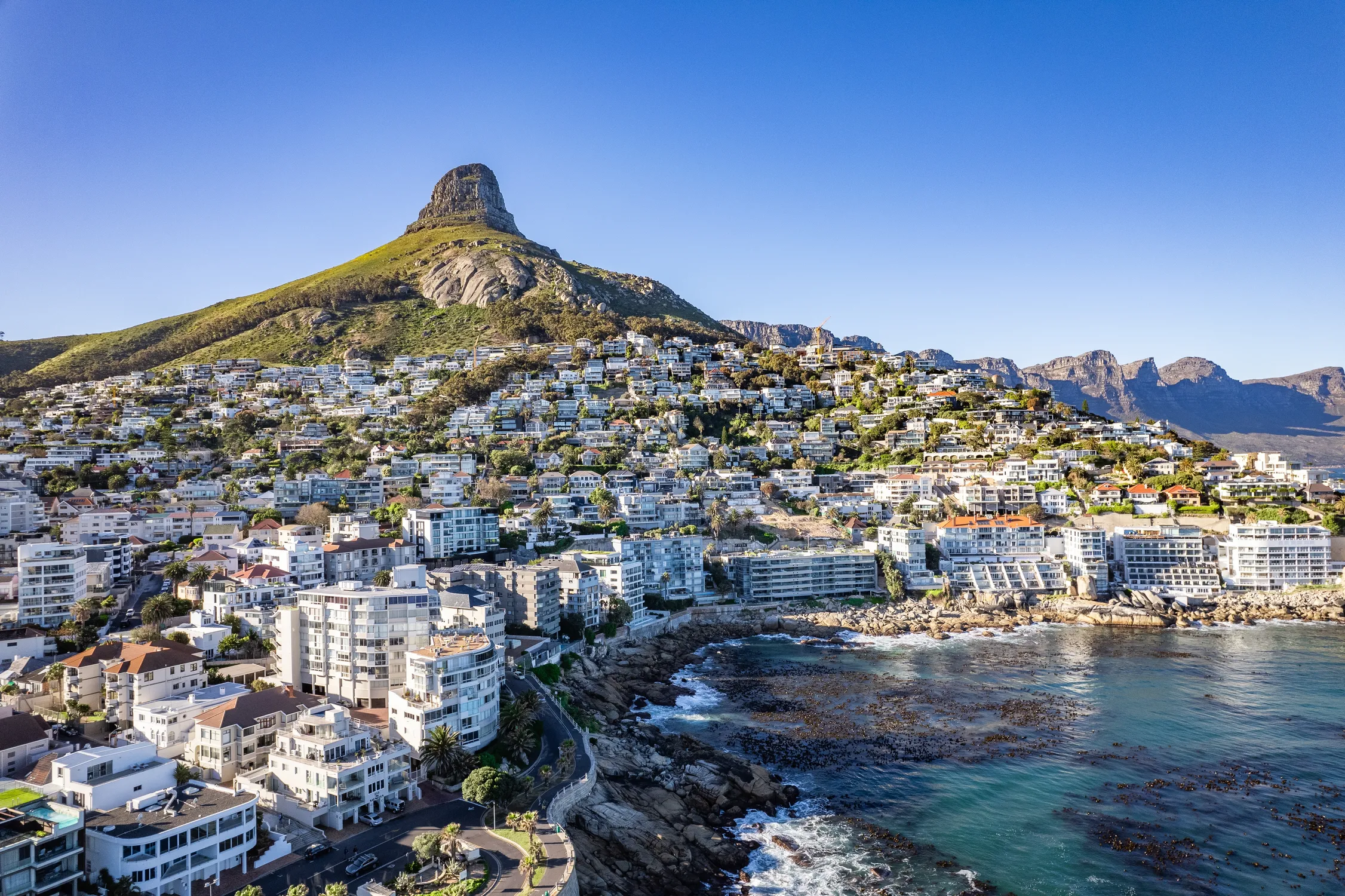
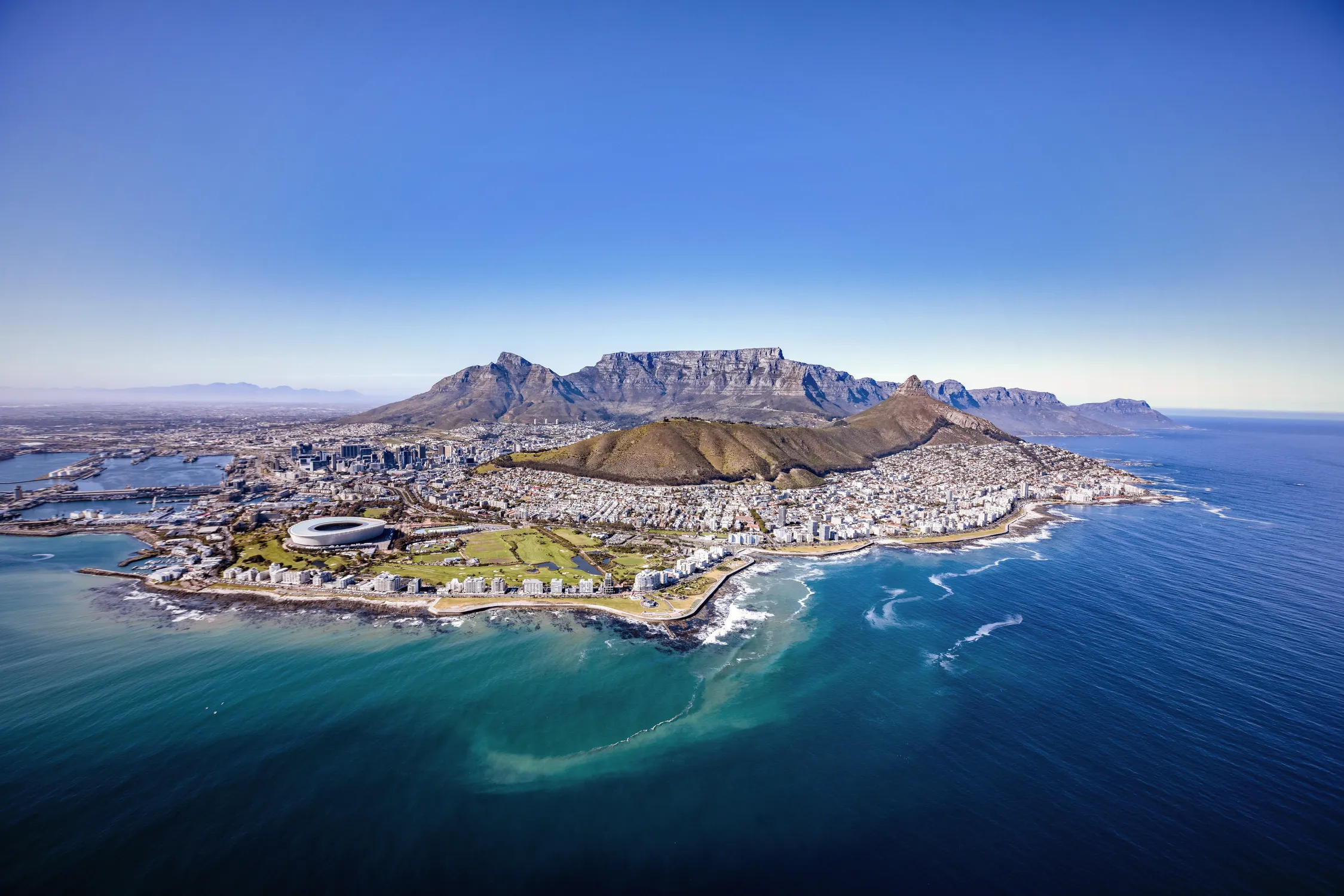
Cape Town sits in a narrow gap between a flat-topped mountain and two oceans, and the city takes its shape from that squeeze. The best days here follow the line the landscape does, starting high on the rock with the whole peninsula laid out below, then working down to the capes and the cold Atlantic surf. You do not so much tick off sights as travel between the mountain and the sea.
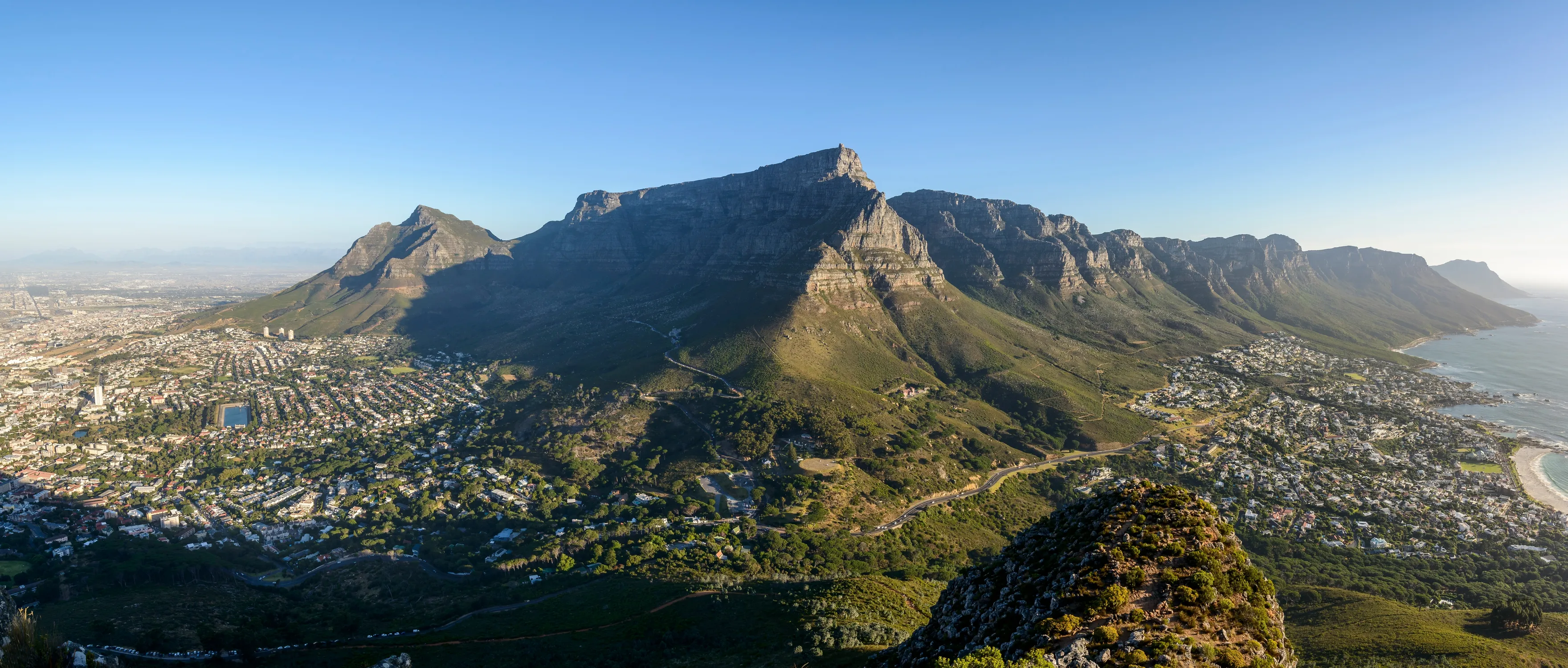
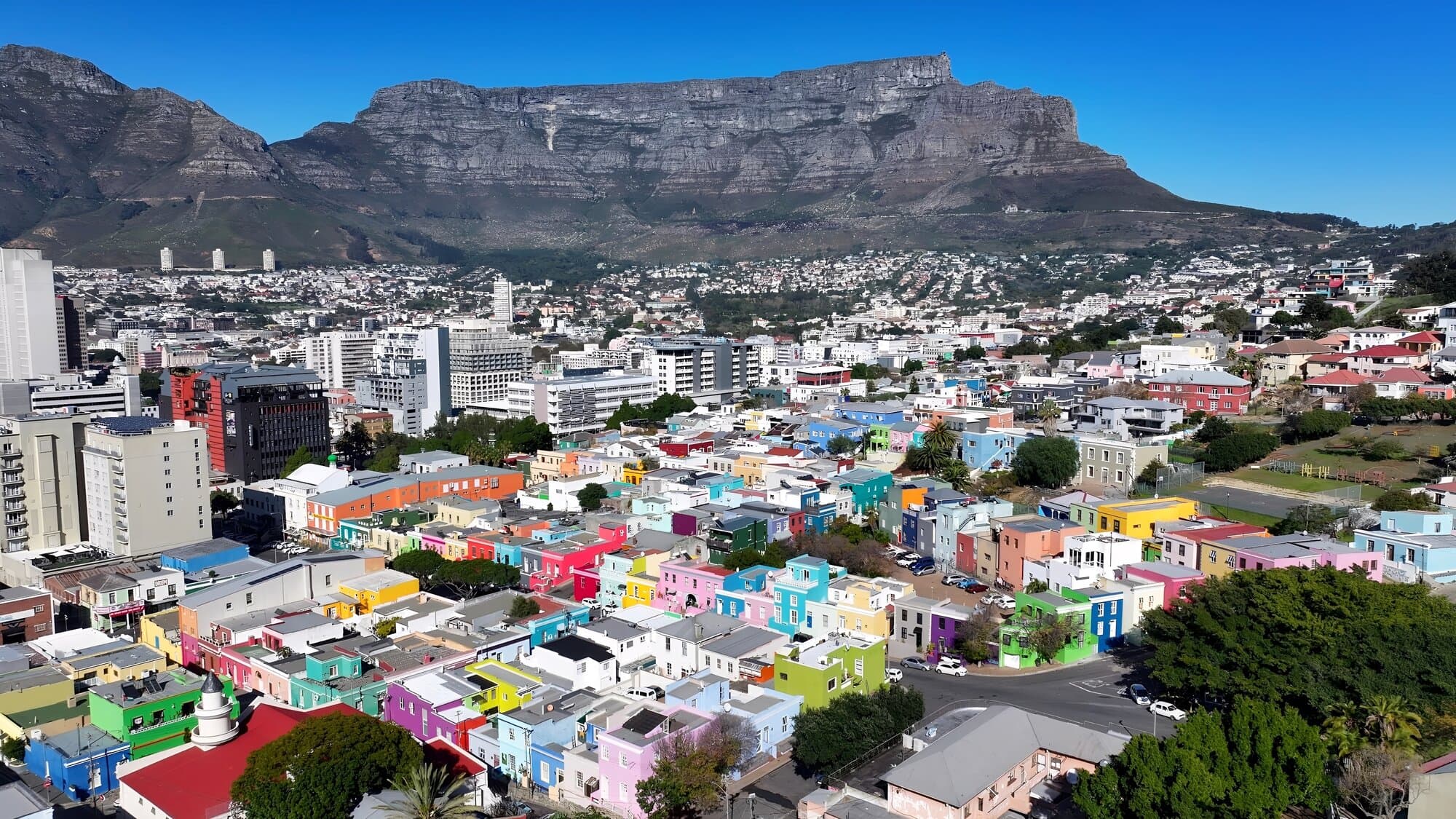
Table Mountain is the anchor, flat enough to have earned its name and the city flag it appears on. A revolving cable car carries you more than 3,500 feet to the top, where the view runs from the harbor out to the Cape Peninsula. The plateau holds an unlikely density of plant life, part of the fynbos, a fine-leaved flora found almost nowhere else on earth, with wild proteas scattered among the couple of thousand plant species crowded onto the plateau. When a sheet of cloud spills over the flat summit, locals call it the tablecloth and hand the credit to an old smoking contest between the Devil and a Dutch pirate named Van Hunks. Go up early if you can, before the tablecloth rolls in and the car, which rotates a full turn as it climbs, closes for wind.
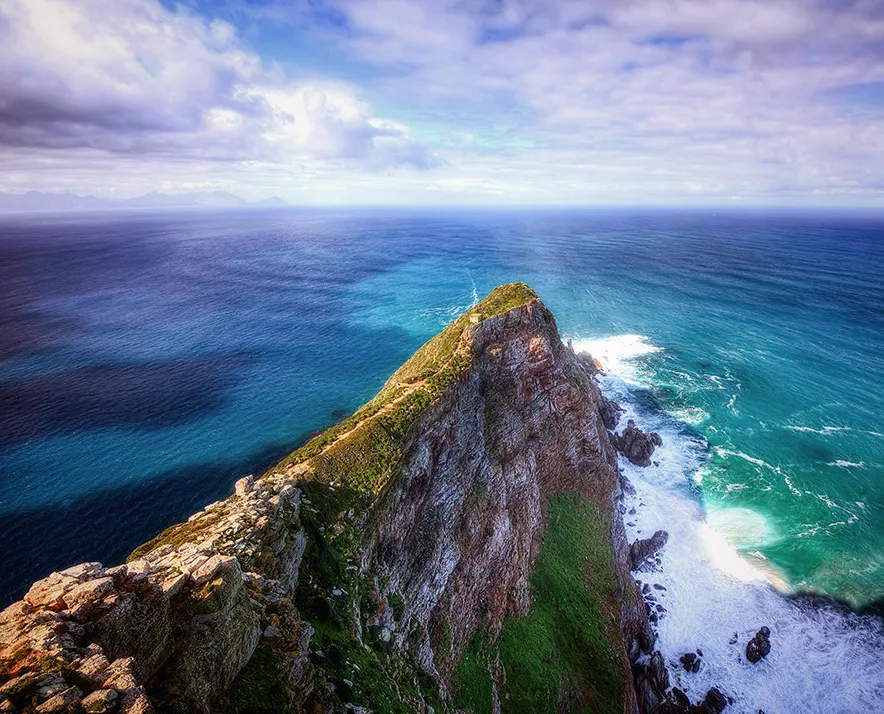
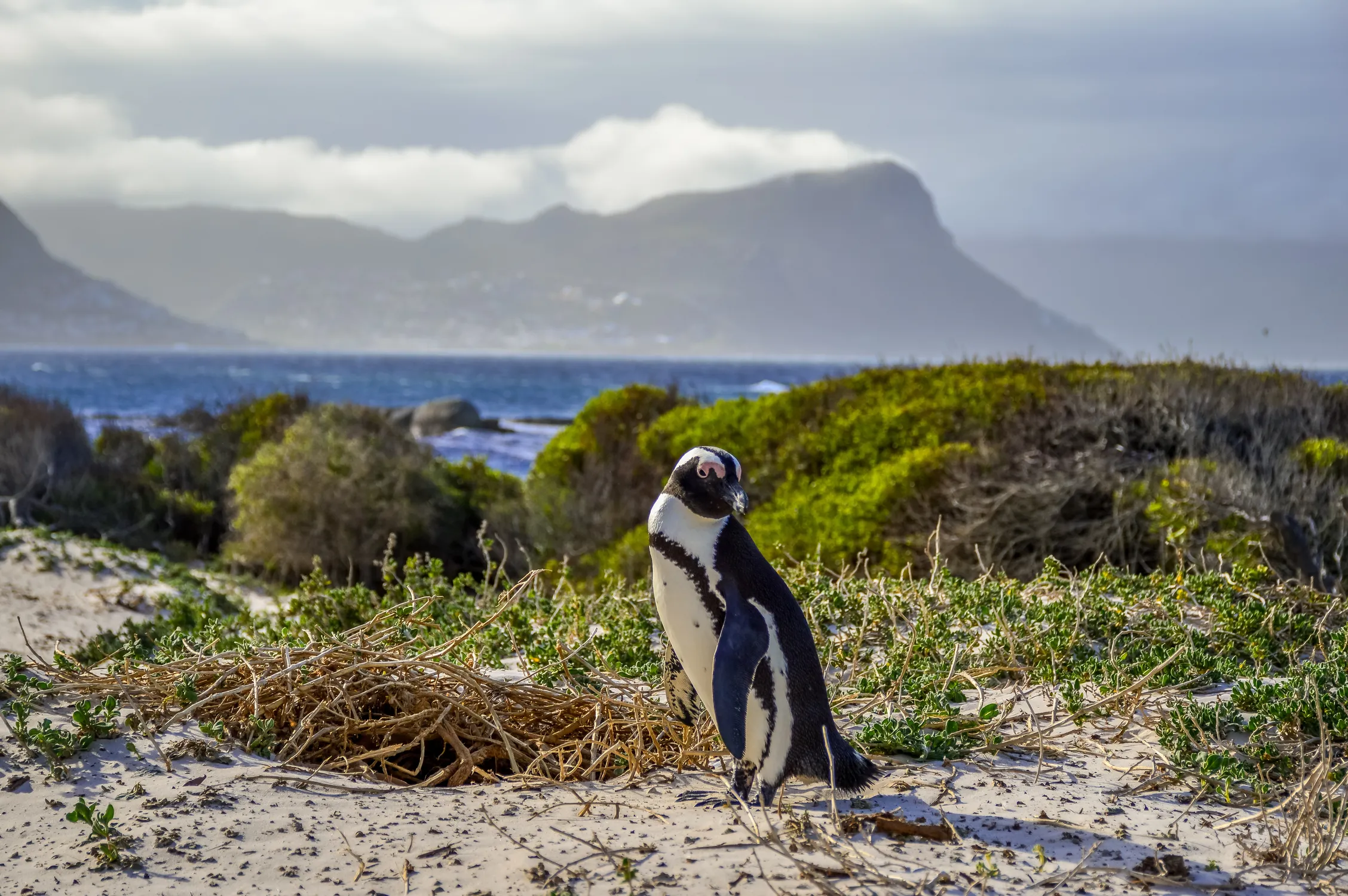
South of the city, the land tapers to the Cape of Good Hope, long mistaken for the southern tip of Africa. The Portuguese navigator Bartolomeu Dias rounded it in 1488 and named it the Cape of Storms, a name King John II of Portugal traded for something more hopeful once it opened the sea road to the East. The reserve around it is calmer than that history sounds. Chacma baboons work the rocks, hundreds of bird species pass through, and offshore, in season, you might pick out a southern right whale or a pod of dolphins running the swell. The drive out crosses fynbos flats grazed by bontebok and ostrich, and a short detour reaches the African penguin colony that nests on the Boulders beaches nearby.
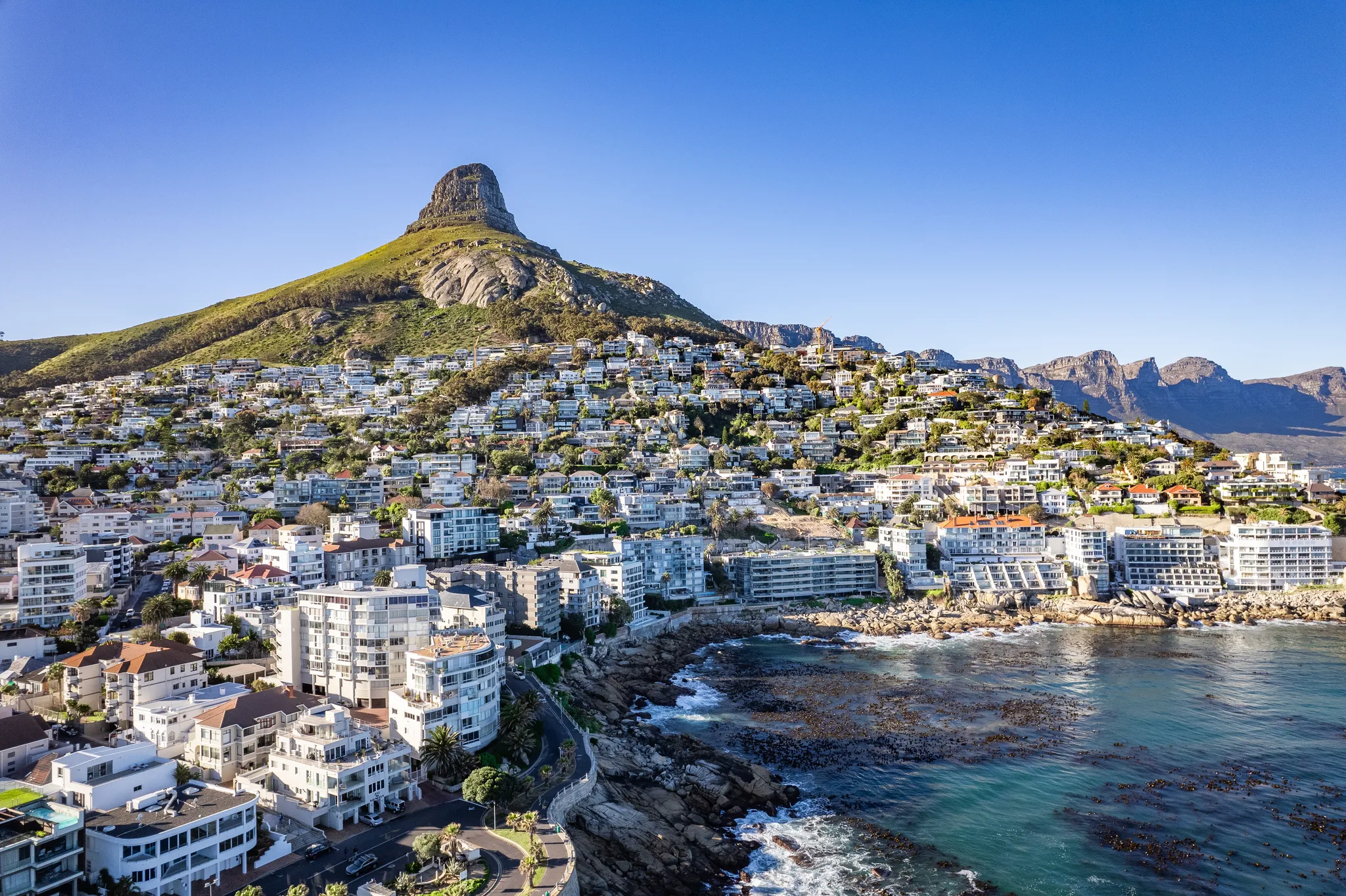
The coast road strings together Hout Bay, Chapman’s Peak and False Bay, and it ranks with the great ocean drives anywhere. Hout Bay is a working fishing village with a giant sleeping offshore: Dungeons, one of a short list of true big-wave breaks, where winter swells have been measured around 47 feet. Chapman’s Peak Drive climbs the cliffs opposite, a favorite of cyclists and a fixture of two well-known races. A short crossing from Hout Bay lands at Duiker Island and its loud colony of Cape fur seals. Wide, sheltered False Bay closes the loop back toward town.
Cape Town hands you a mountain, a cape and a coastline in a single day, which is why a first visit rarely feels like enough.
By signing up, you declare that you have read our Terms & Conditions and consent to receive offers, information and content via current means of communication as per our Privacy Policy.
You can change your contact preferences at any time by phoning 0800 520 2250 or emailing preferences@amawaterways.com