Trace Nelson Mandela’s legacy across South Africa, from Robben Island to Soweto, through powerful sites that bring his life, leadership and enduring impact into focus.
From:$23,947$22,747per person
Trace Nelson Mandela’s legacy across South Africa, from Robben Island to Soweto, through powerful sites that bring his life, leadership and enduring impact into focus.
Nelson Mandela’s life ran from a small Eastern Cape village to the presidency of South Africa, and much of it can be traced on the ground, in the places that held him and the places he called home. Following that path is among the most affecting things a traveler can do here. It moves from a prison cell off Cape Town to a family house in Soweto, and the geography tells the story as clearly as any biography.
Born in 1918 into the Thembu people, Mandela trained as a lawyer and opened South Africa’s first Black law practice before the fight against apartheid drew him from peaceful protest toward resistance and into prison for 27 years. He walked out in 1990 to help negotiate apartheid’s end and, in 1994, became the country’s first democratically elected president. He shared the Nobel Peace Prize for that work.
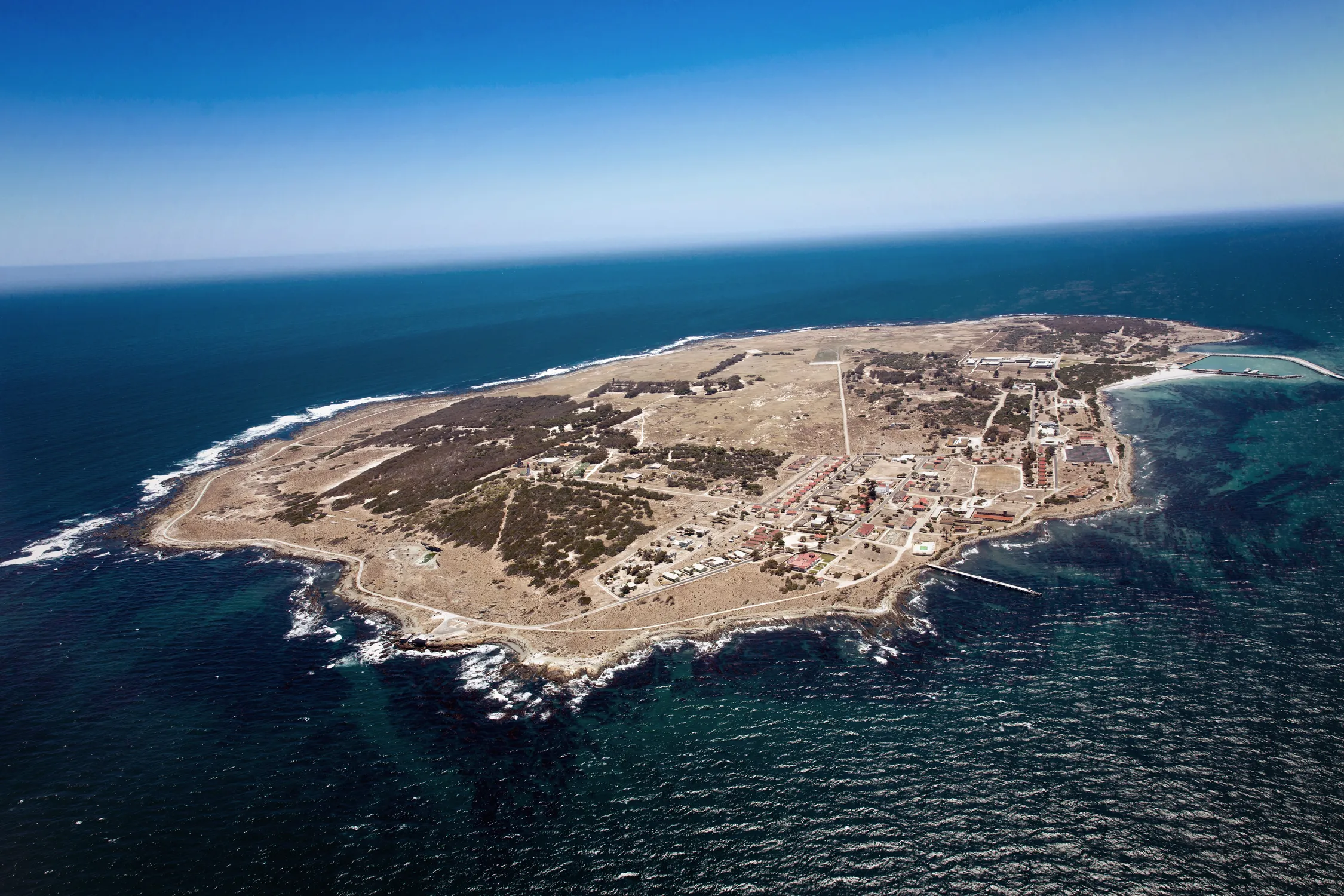
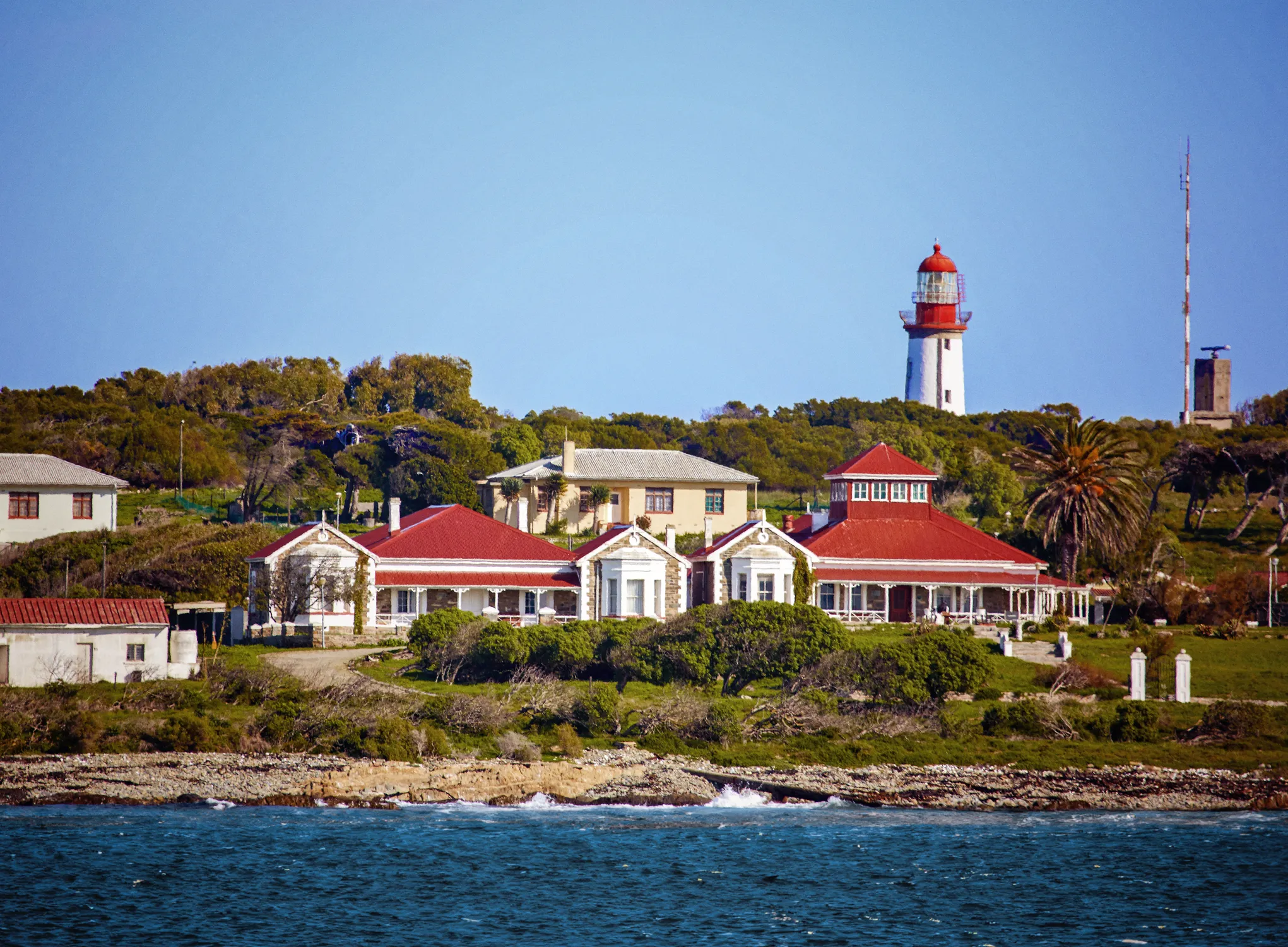
The clearest place to begin is Robben Island, the low prison island visible from Cape Town’s waterfront. Mandela was held here from 1964 to 1982, in a bare cell with a straw mat, set to hard labor breaking rocks and working a lime quarry whose glare damaged his eyes for life. In that quarry, the prisoners turned forced labor into a kind of school, teaching one another between shifts, a place some later remembered as their university. The island is a museum now, and its tours are led by former political prisoners who were held here themselves. Standing in the cell, kept as it was, is quieter and heavier than any exhibit.
Johannesburg holds the public memory. In the affluent Sandton district, a statue of Mandela roughly twenty feet high presides over Nelson Mandela Square. Across the city, the Apartheid Museum tells the larger story through film, photographs and testimony, and it begins before you are through the door: visitors are handed a ticket marked white or non-white and sent through one of two separate entrances, a brief, deliberate taste of the system the museum documents. Inside, those materials and the everyday artifacts beside them carry the history from the first segregation laws to the election that ended apartheid.
Soweto holds the private memory. The modest house on Vilakazi Street was Mandela’s family home from 1946, the place he returned to after his release. Today, it stands as a museum of the family’s life through the years he spent underground and imprisoned. The same street once counted Archbishop Desmond Tutu among its residents and is often called the only street in the world to have housed two Nobel Peace laureates.
Traced end to end, from the cell on Robben Island to the house on Vilakazi Street, Mandela’s South Africa is not an abstraction but physical markers of history you can visit.
By signing up, you declare that you have read our Terms & Conditions and consent to receive offers, information and content via current means of communication as per our Privacy Policy.
